C.A.S.A. — Casablanca Art School Archives
C.A.S.A. — Casablanca Art School Archives
Co-published with Le Carrefour des Livres, éditions
Preface by Abdelatif Laâbi
Edited by Madeleine de Colnet, Maud Houssais, Fatima-Zahra Lakrissa, and Morad Montazami
Graphic design by Elie Collistro
Essays by Madeleine de Colnet, Maud Houssais, Fatima-Zahra Lakrissa, Salma Lahlou, Morad Montazami
Texts by Jamel Boushaba, Nadia Chabâa, Léa Morin, Khalil M’Rabet, Katarzyna Pieprzak, Kenza Sefrioui
Encunters by Bert Flint (unpublished text), Toni Maraini, Pauline de Mazières, Mohamed Melehi
Archival texts by/with Farid Belkahia, Mohammed Chabâa, Zakya Daoud, Toni Maraini, Mohamed Melehi, Mustafa Nissaboury, and others
Available in two volumes: French and English
Hardcover, 22 × 29.5 cm
496 pages, 580 b/w and color illustrations
ISBN: 979-10-93781-00-6
Forthcoming: April 2026
With the support of CCME, Ministère de la Culture du Maroc, Fondation Jardin Majorelle and AA Gallery Casablanca.
Price: €45.00
45,00 €

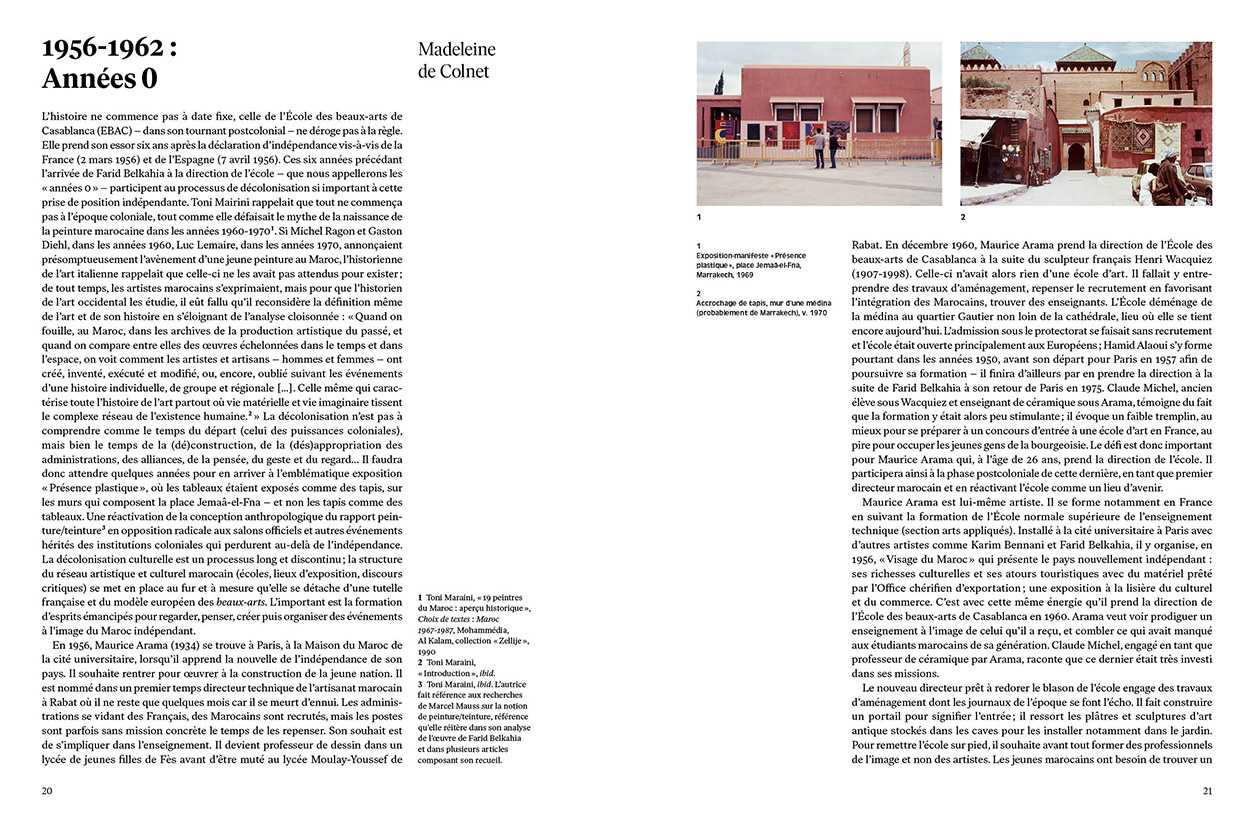
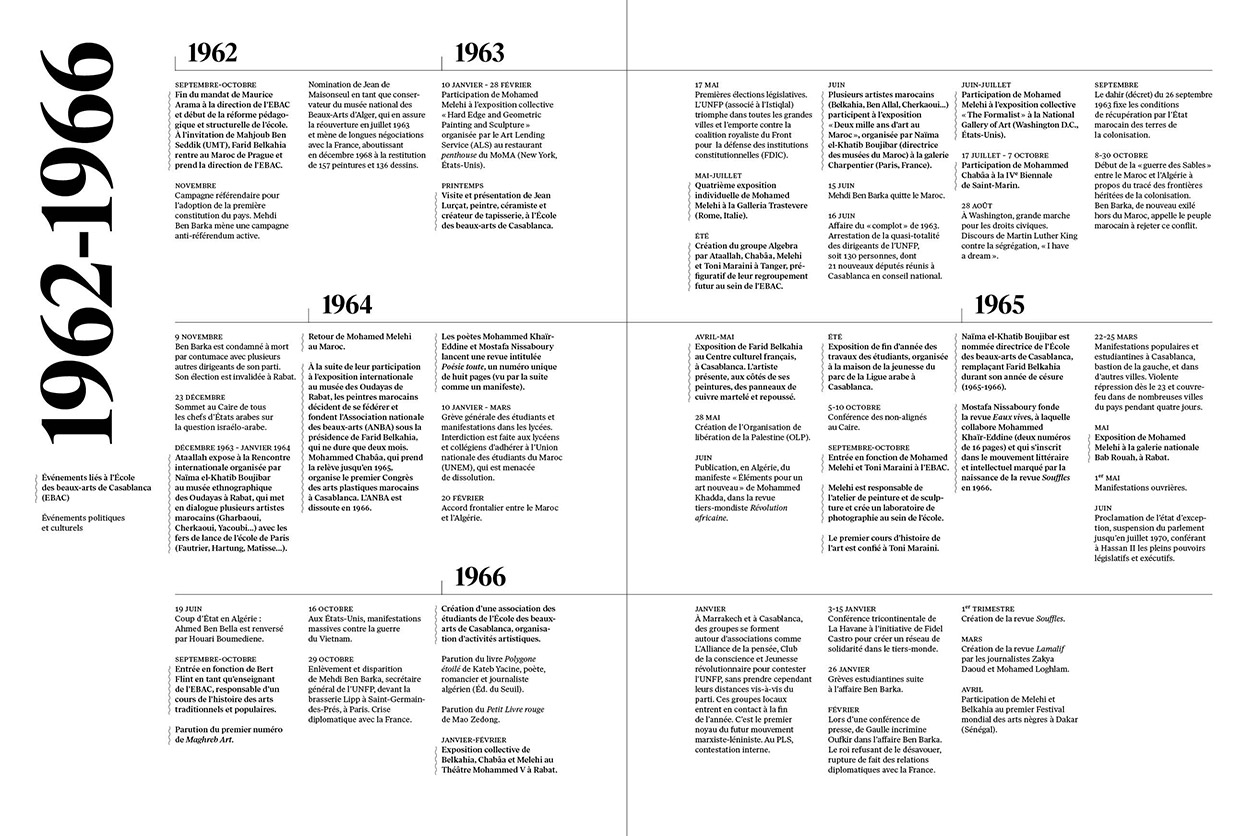
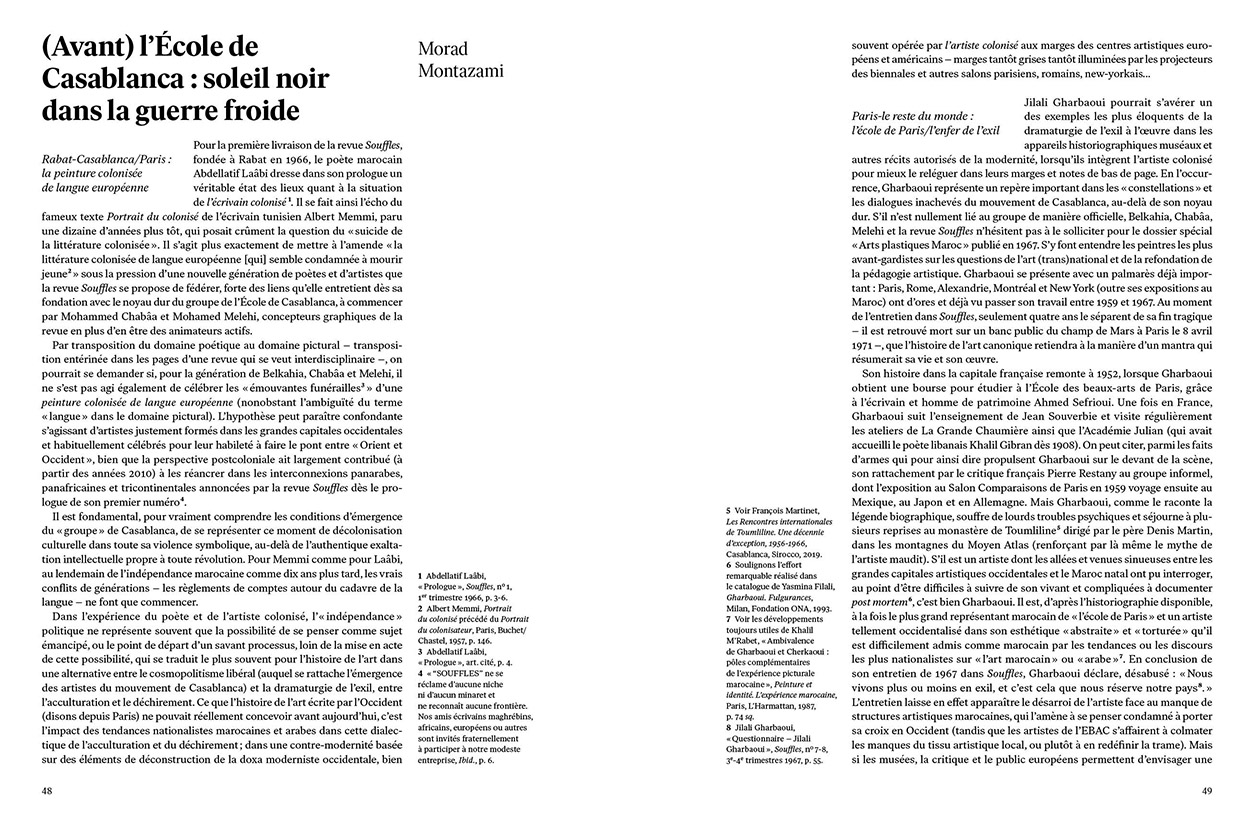
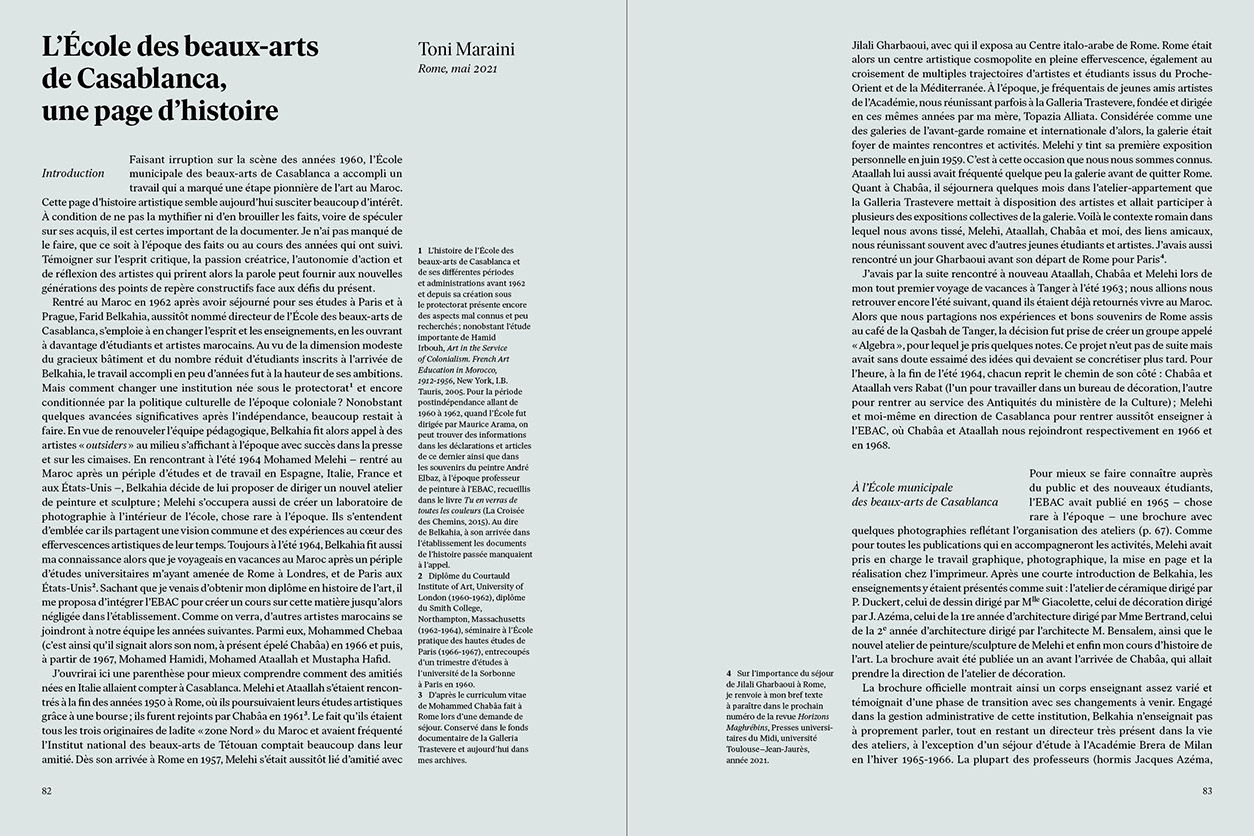
In the excitement following Morocco’s independence in 1956, artist-teachers and students at the Casablanca Art School (CAS) radically rethought art and art education in their country. “C.A.S.A Casablanca Art School Archives” aims to trace the period from 1960, when the school was renovated by artist Maurice Arama, through 1962, when artist Farid Belkahia took over its direction, up to 1987, a time when the initiatives uniting members of the educational revolution became increasingly rare, thus marking its end.
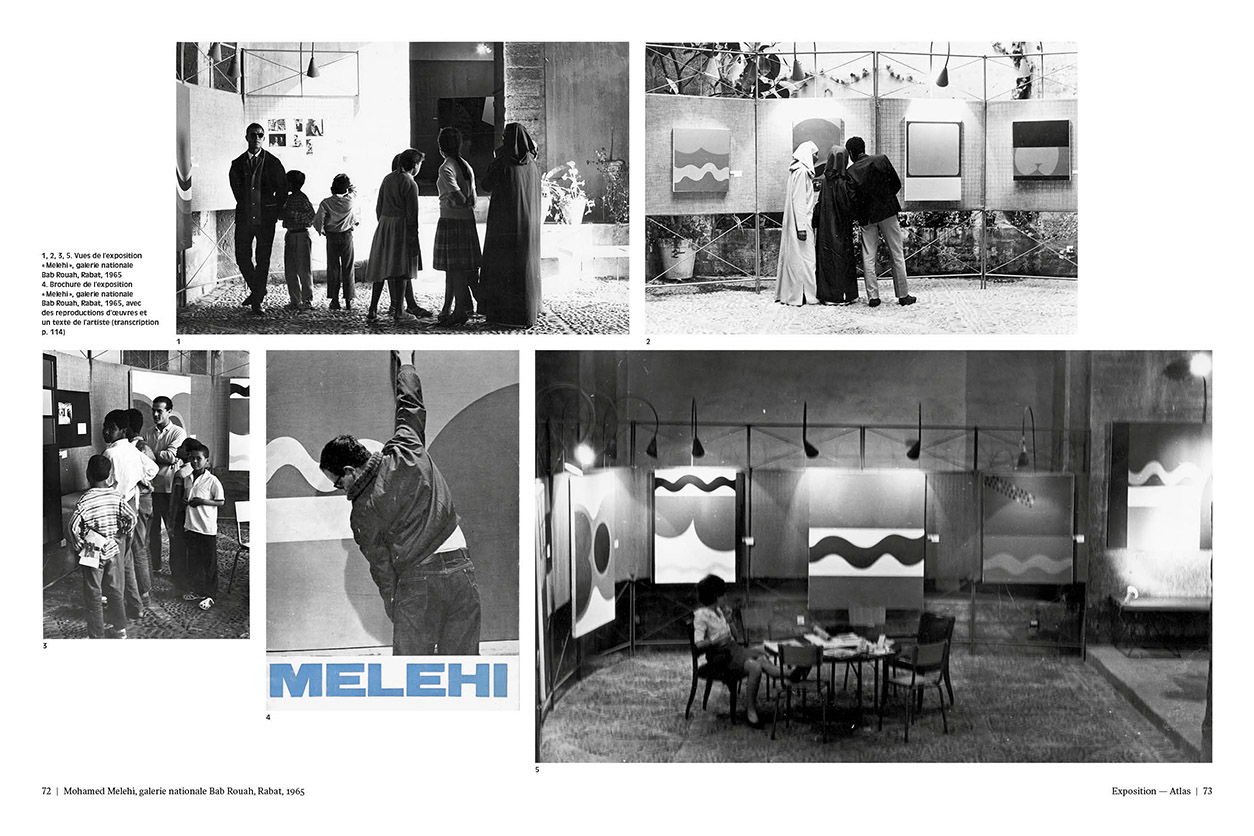
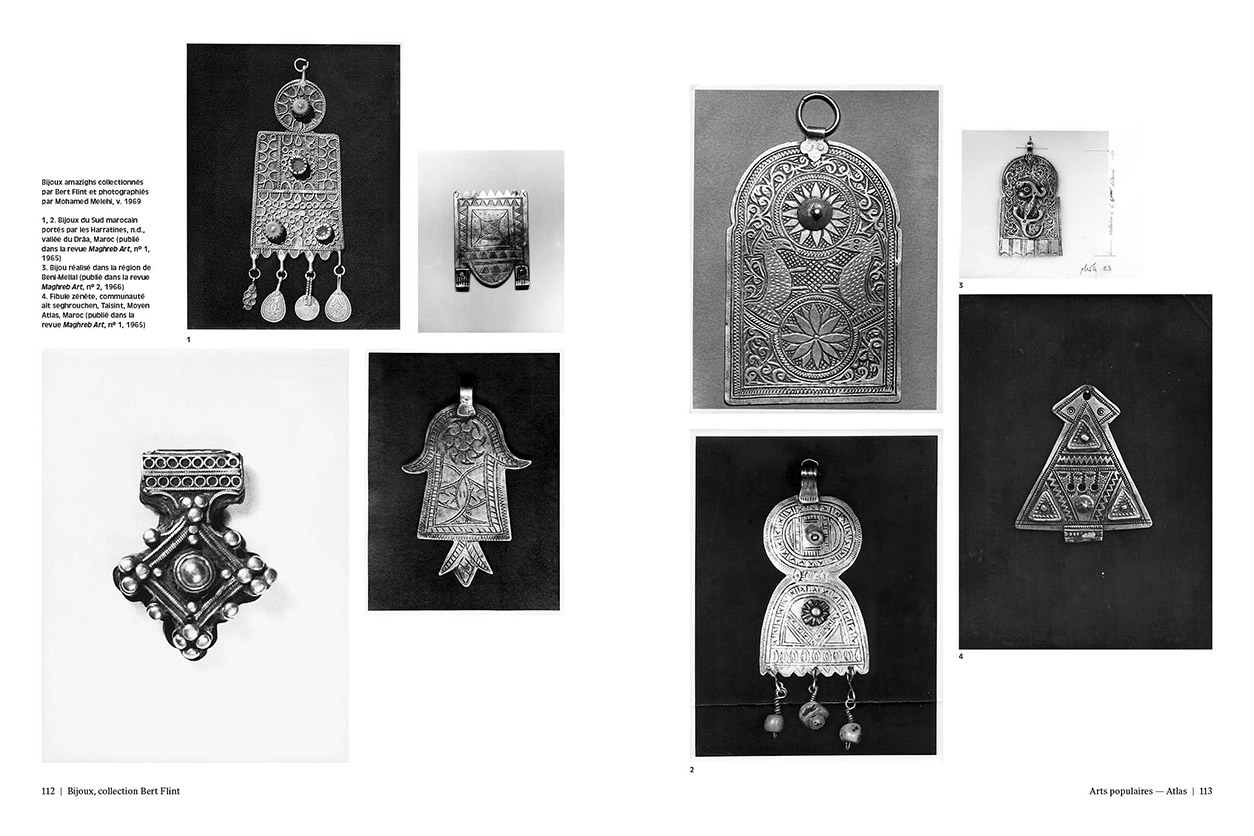
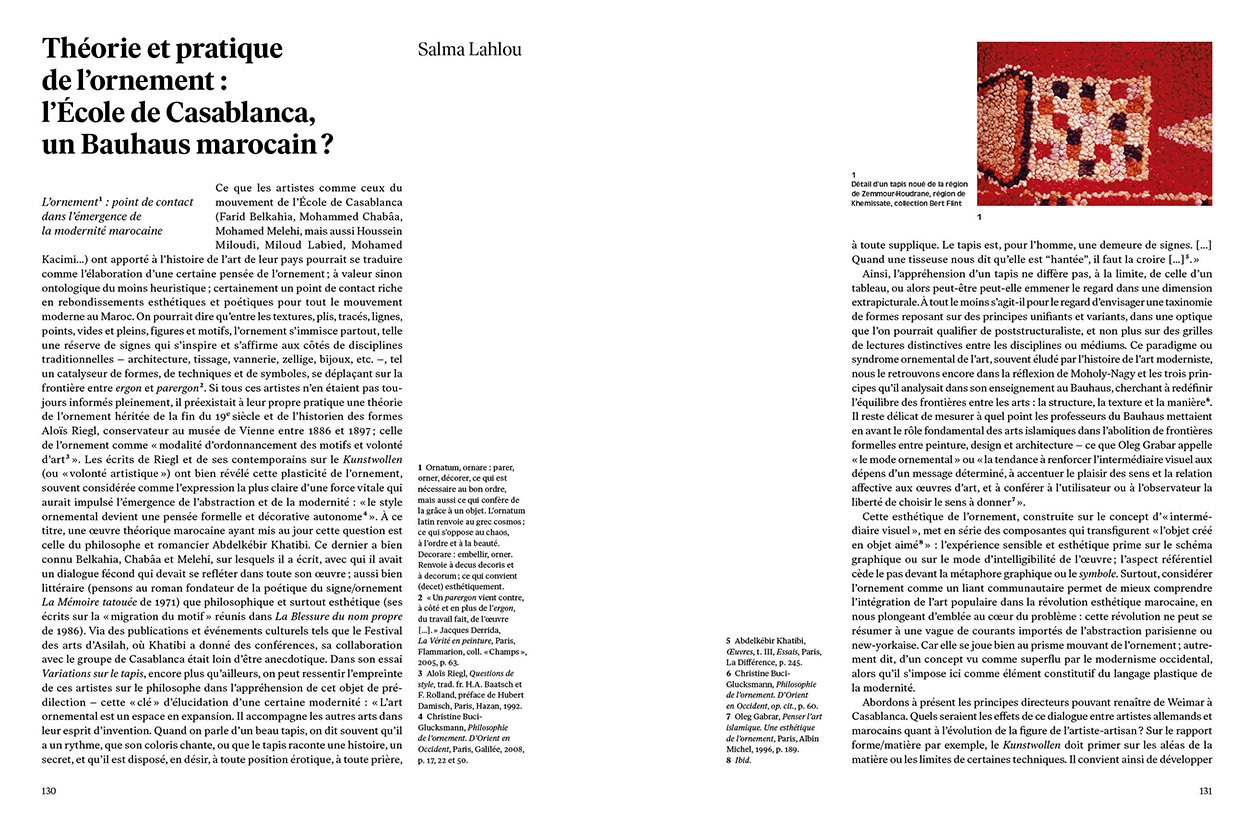
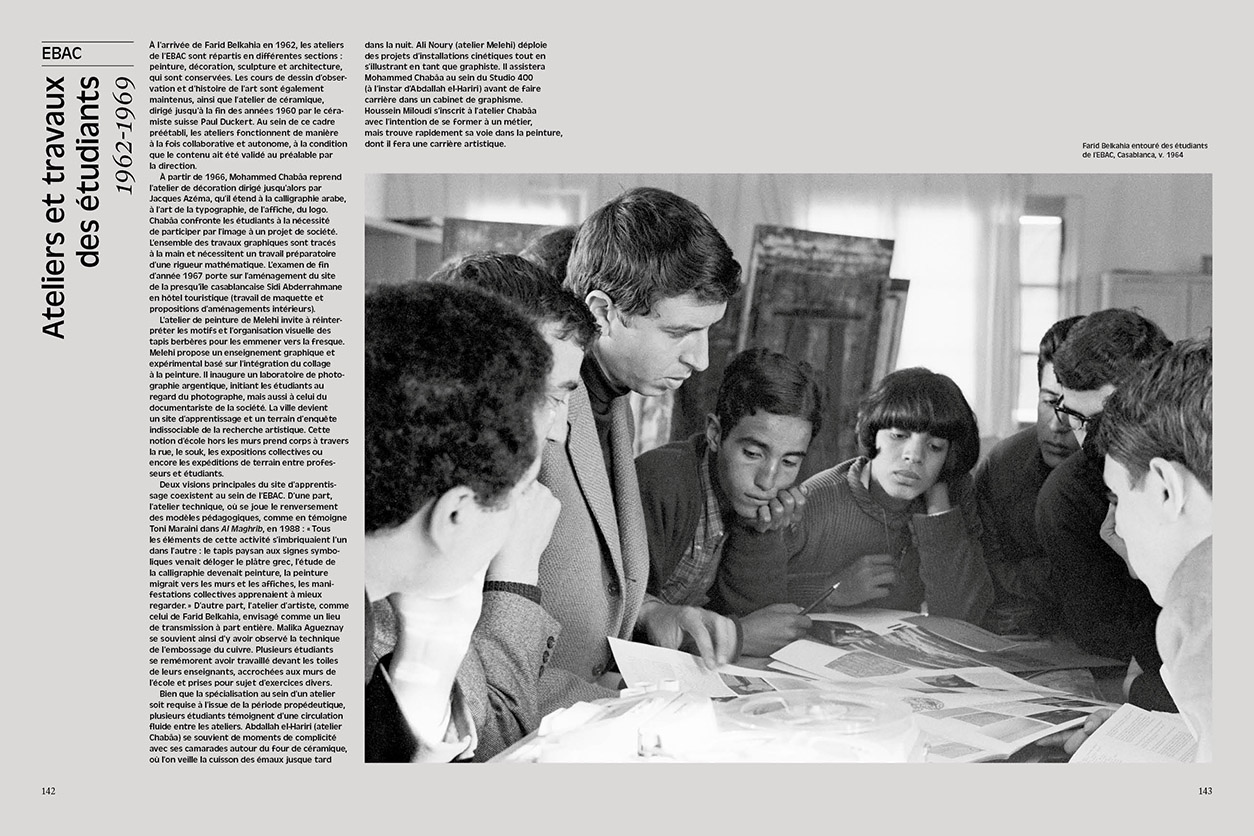
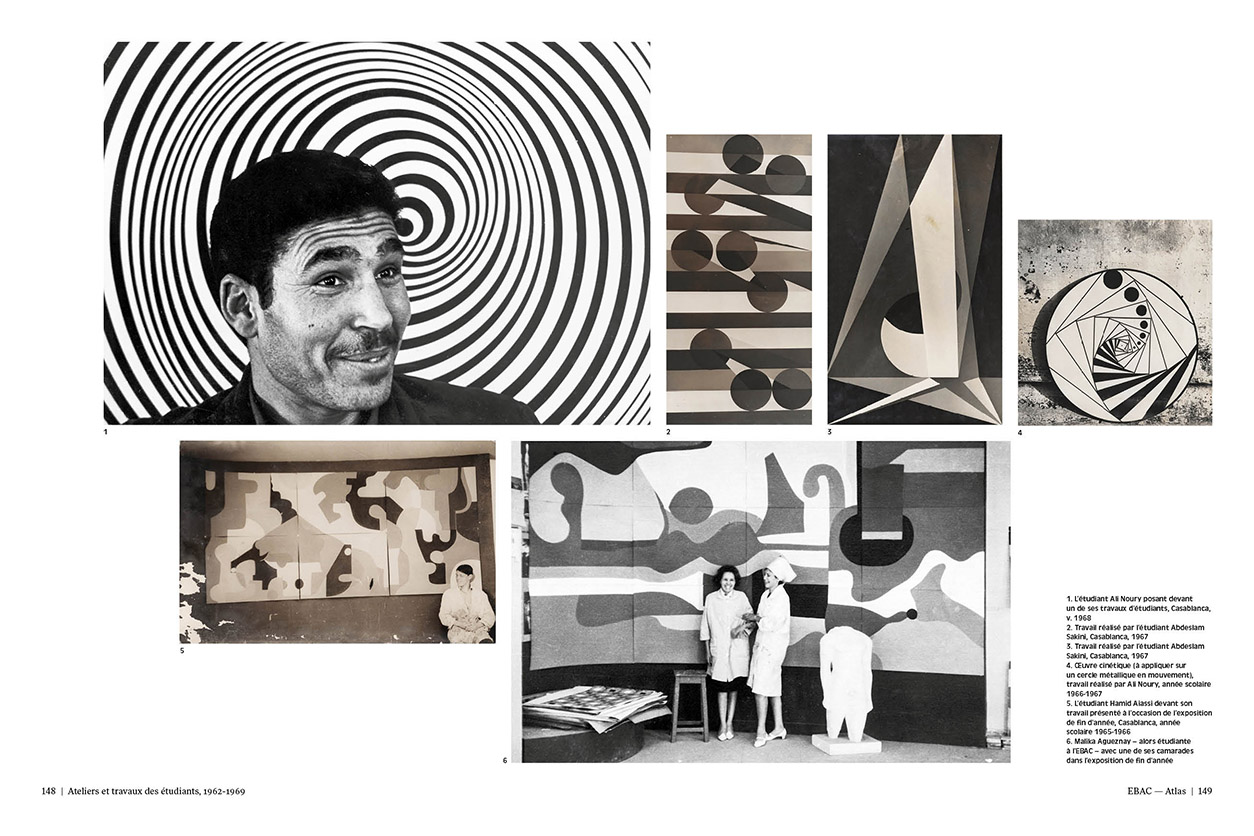
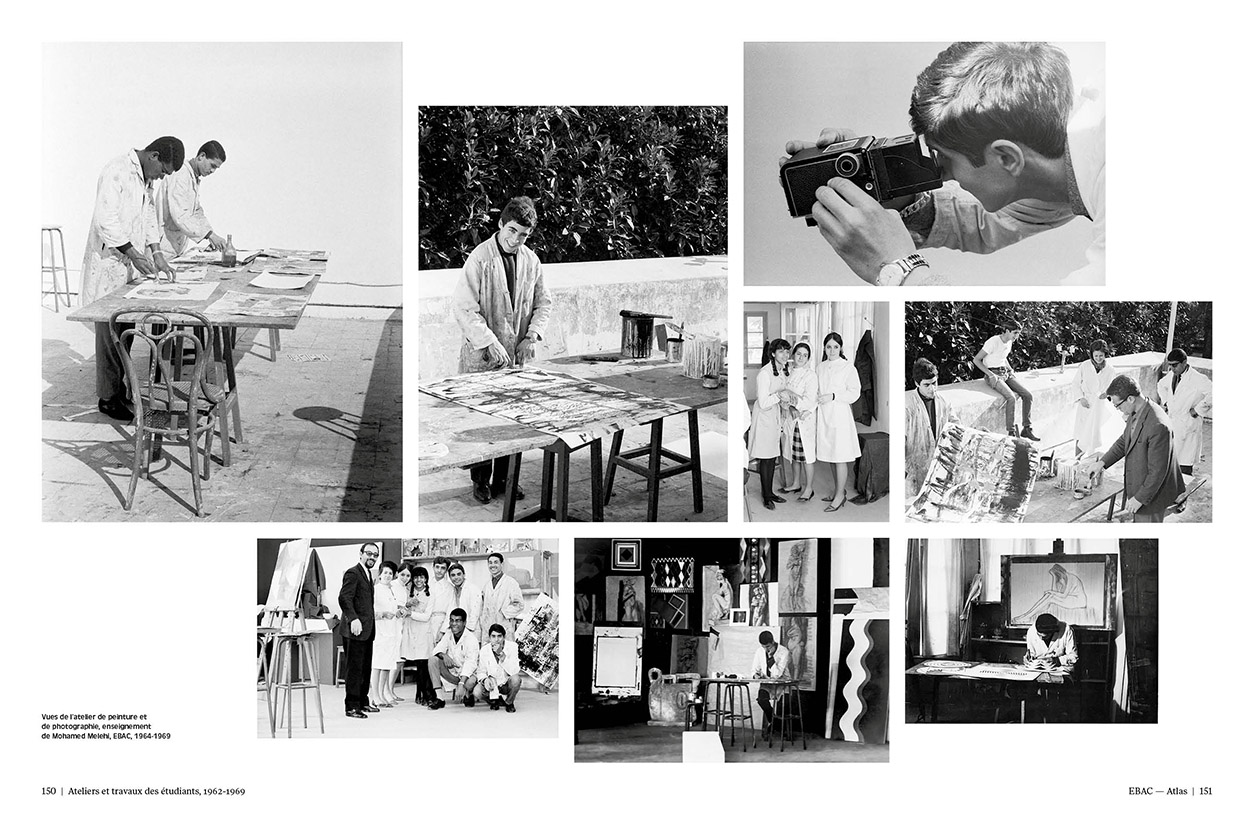
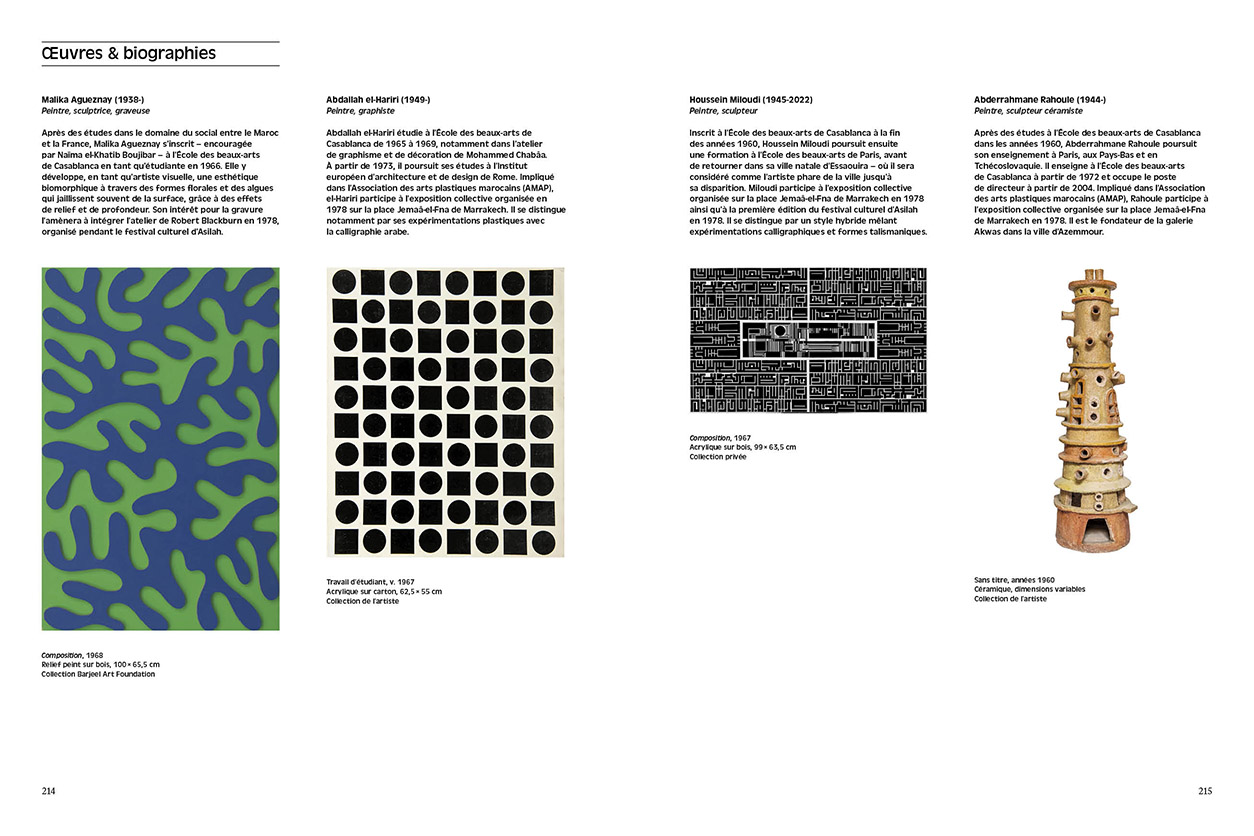
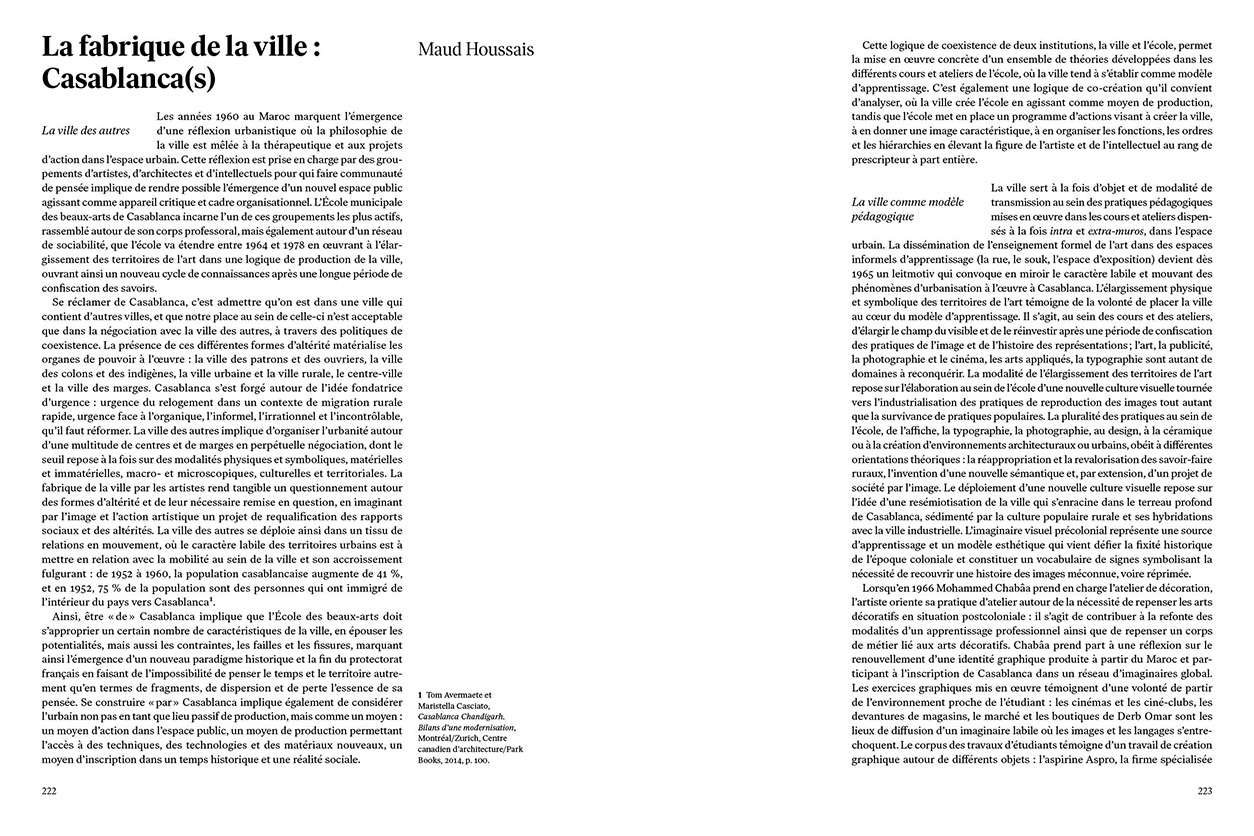
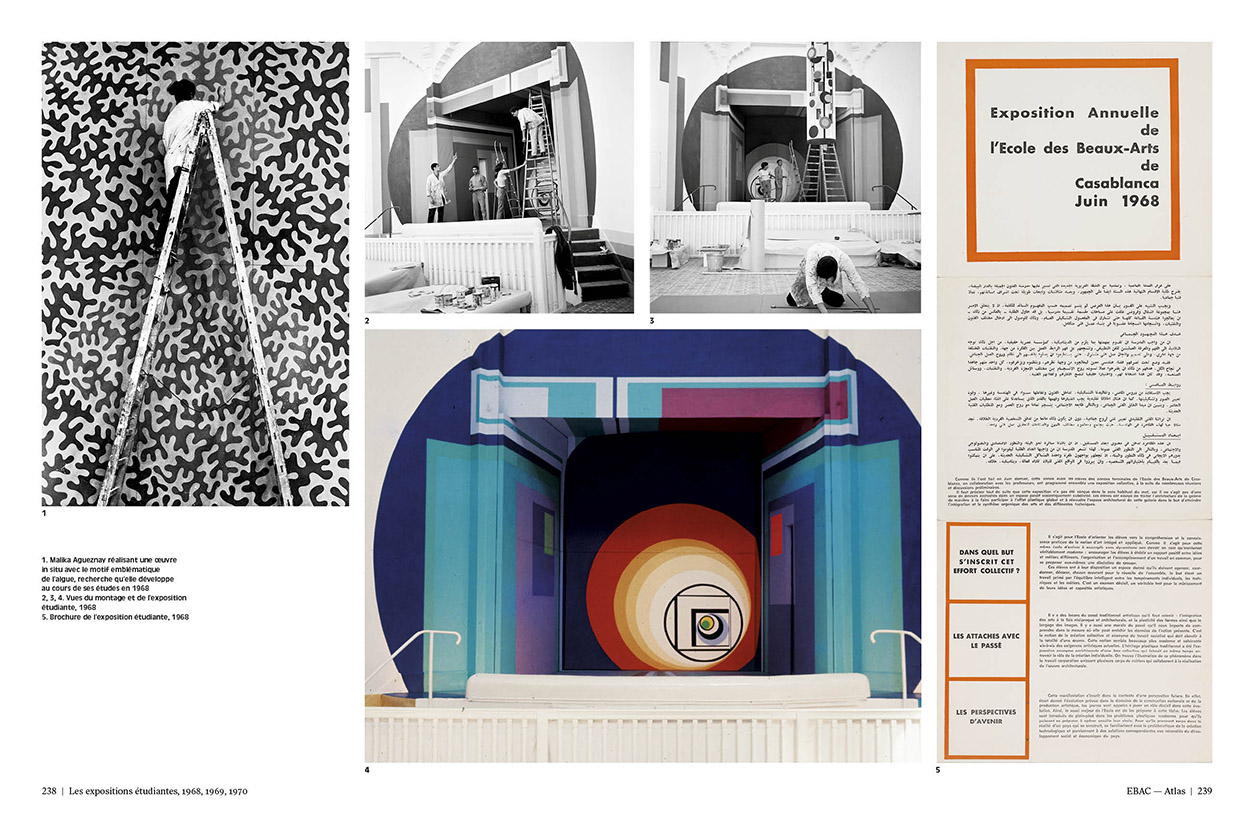
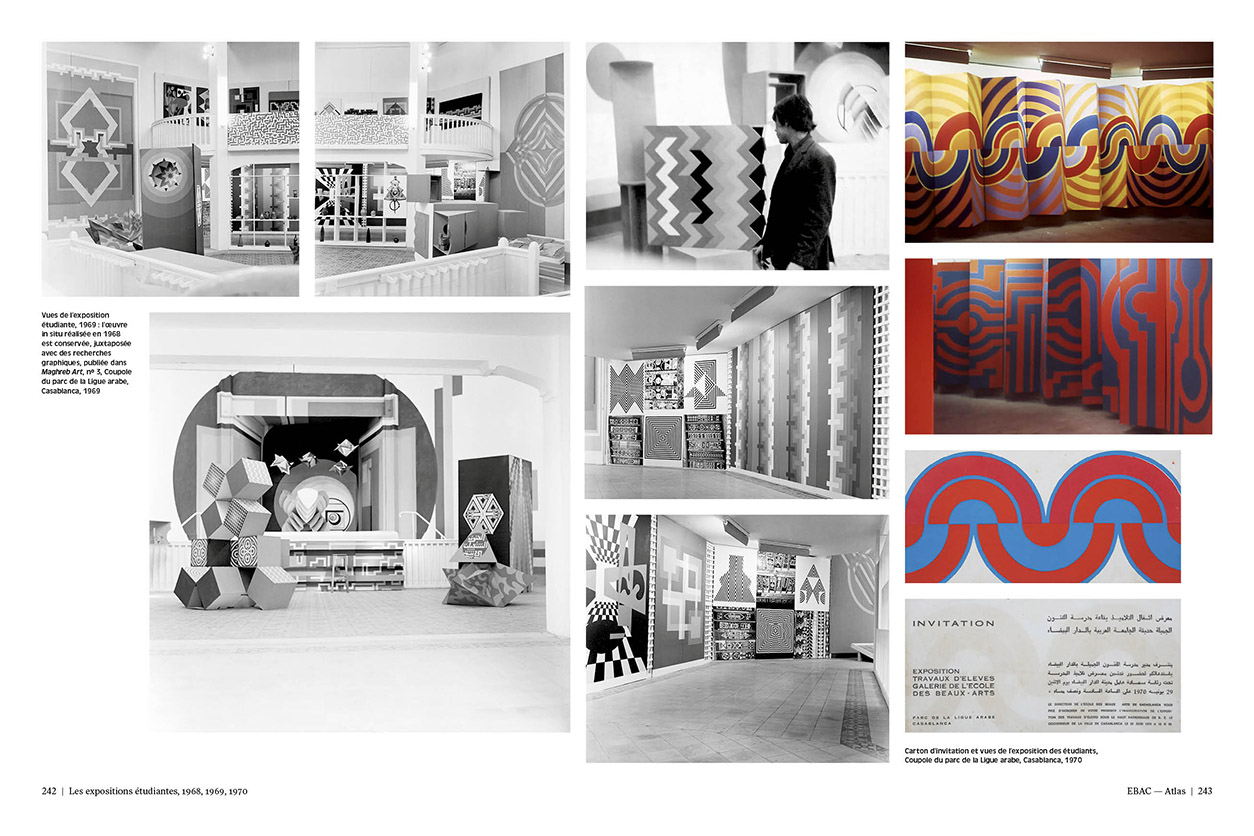
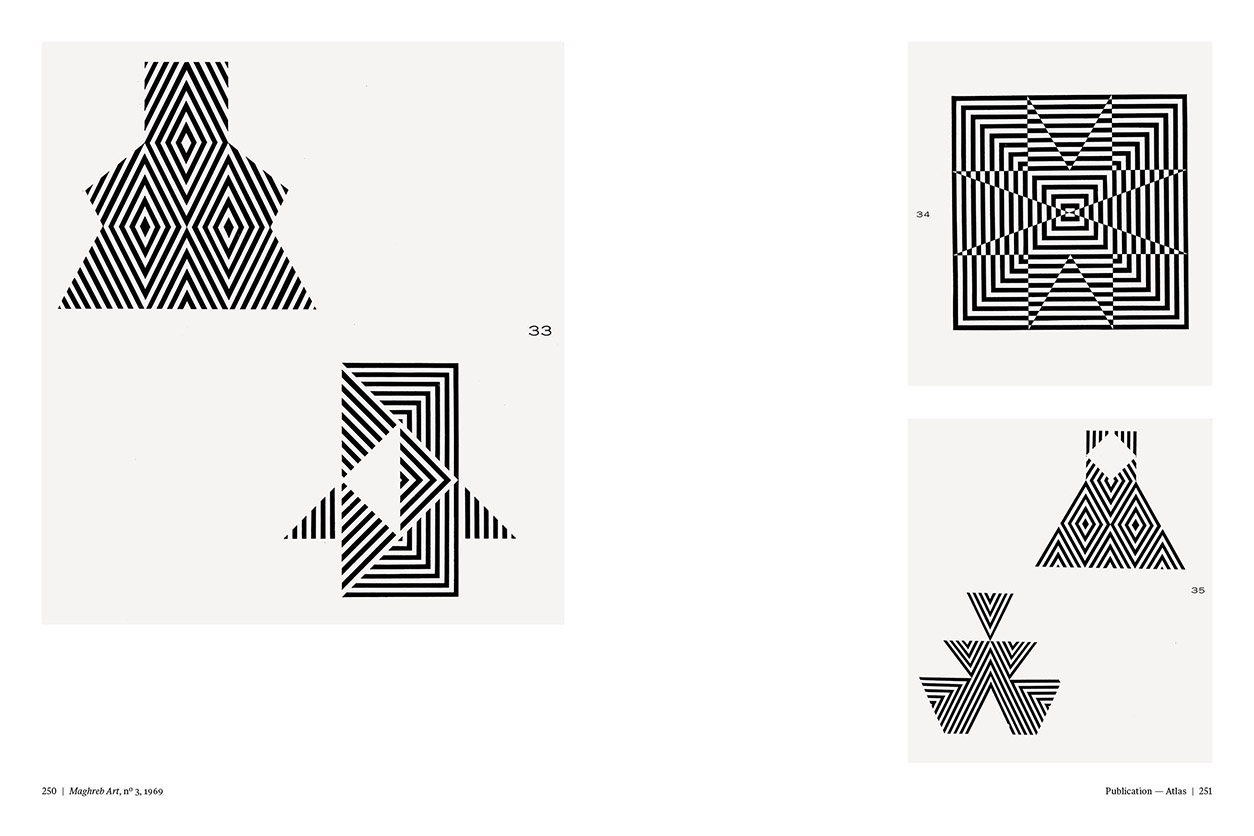
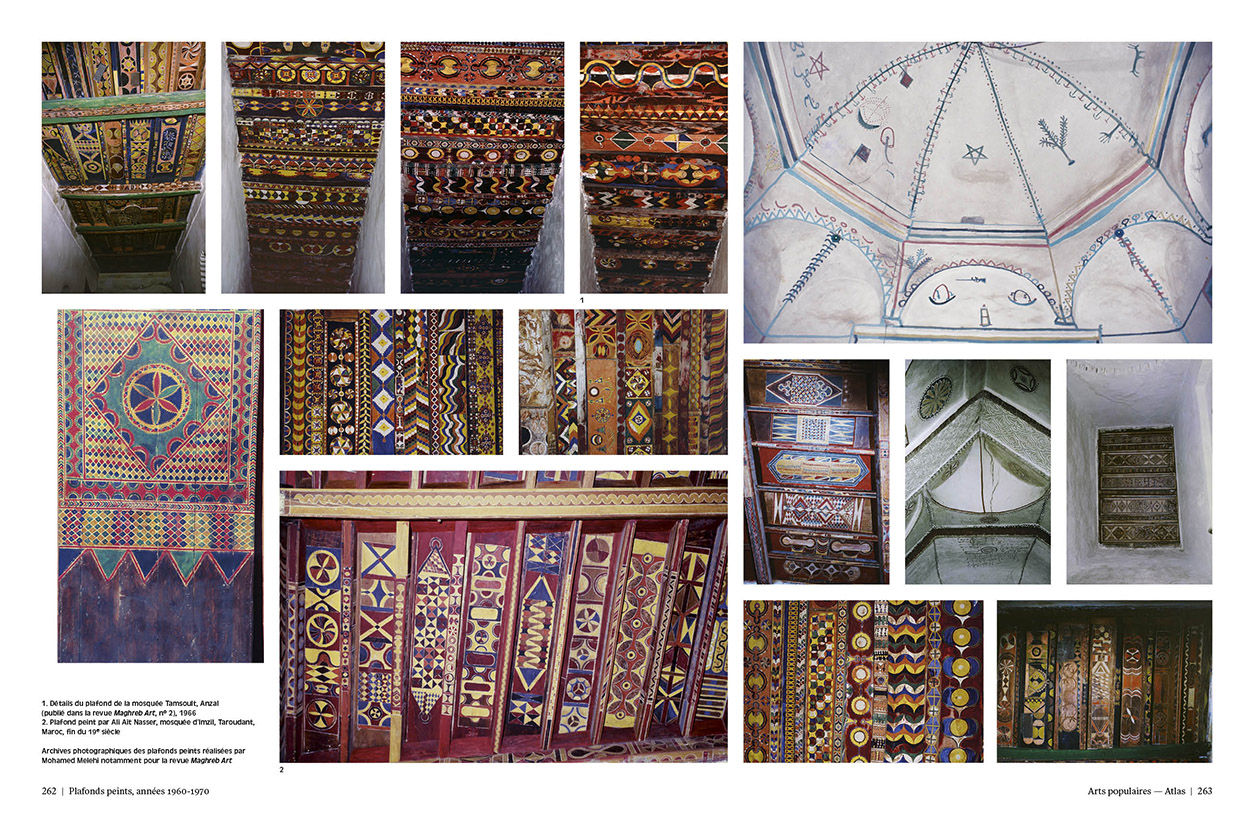
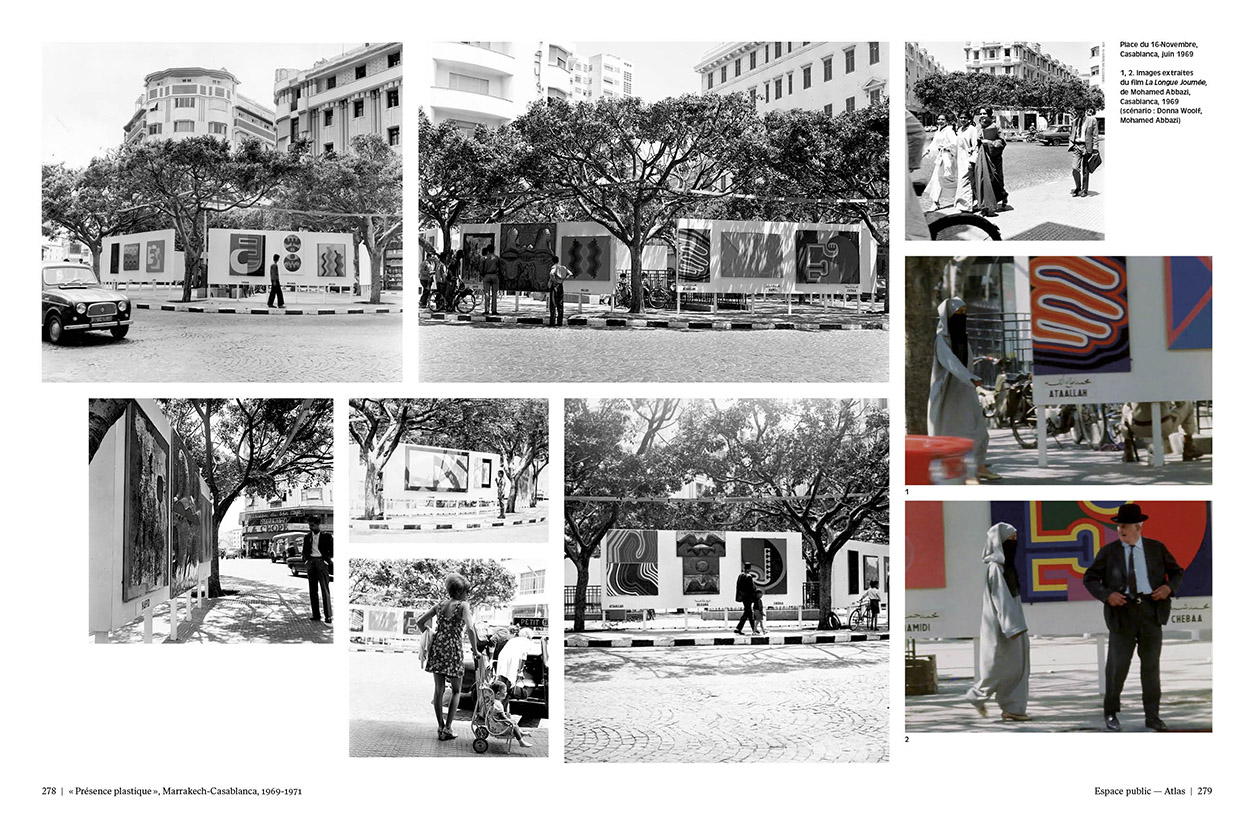
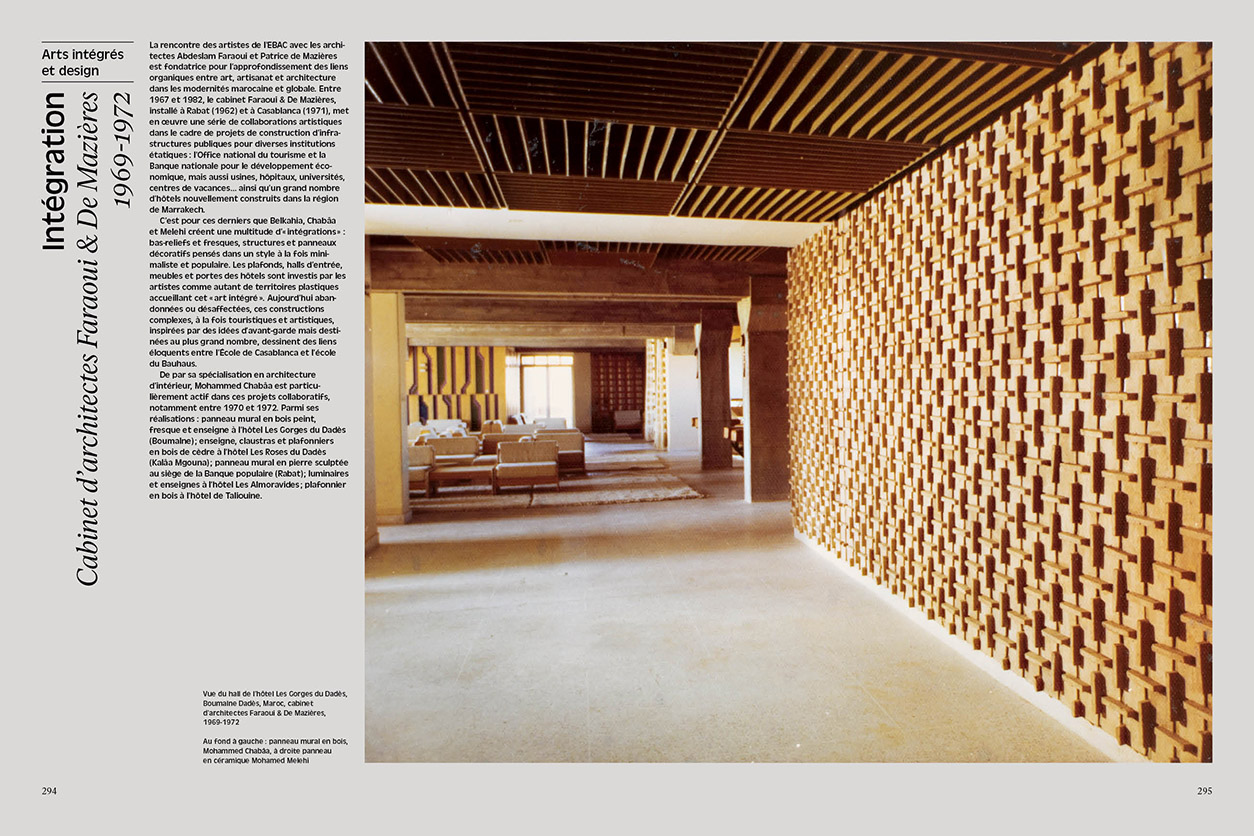
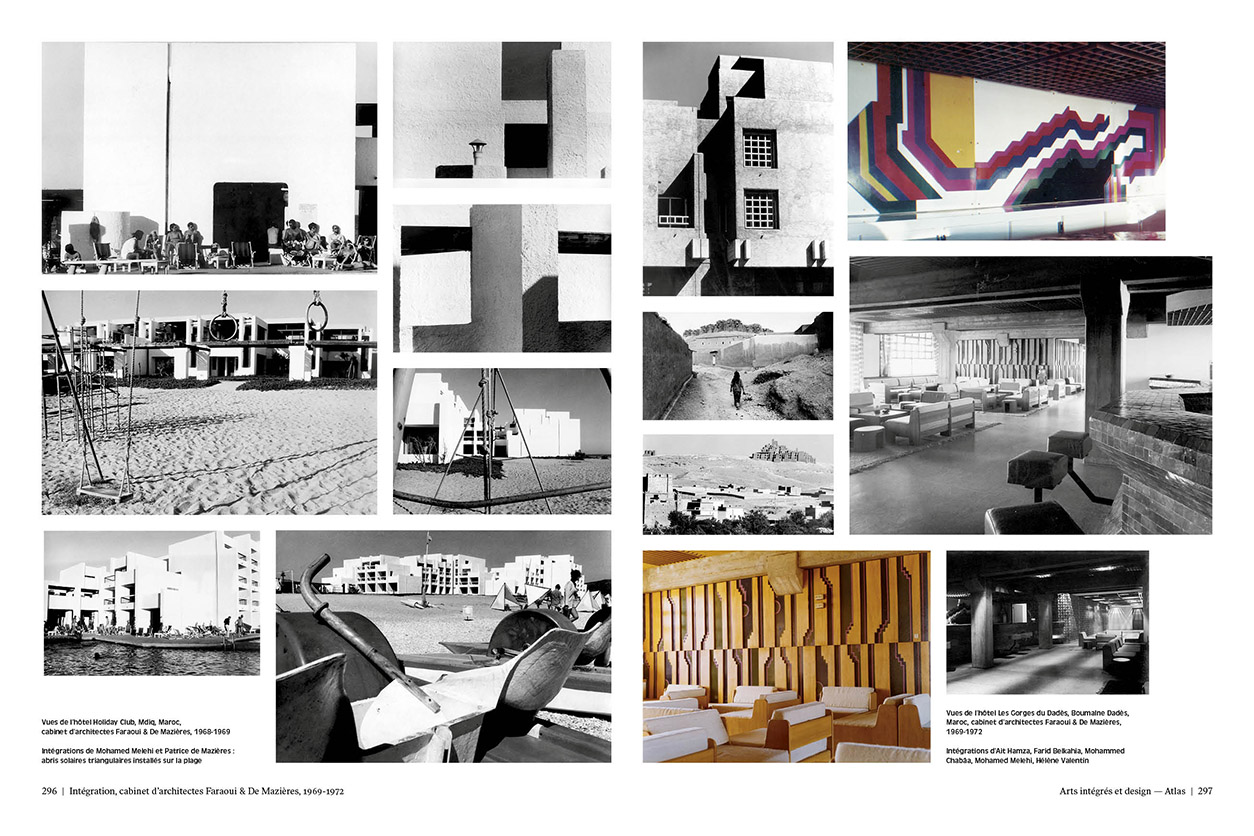
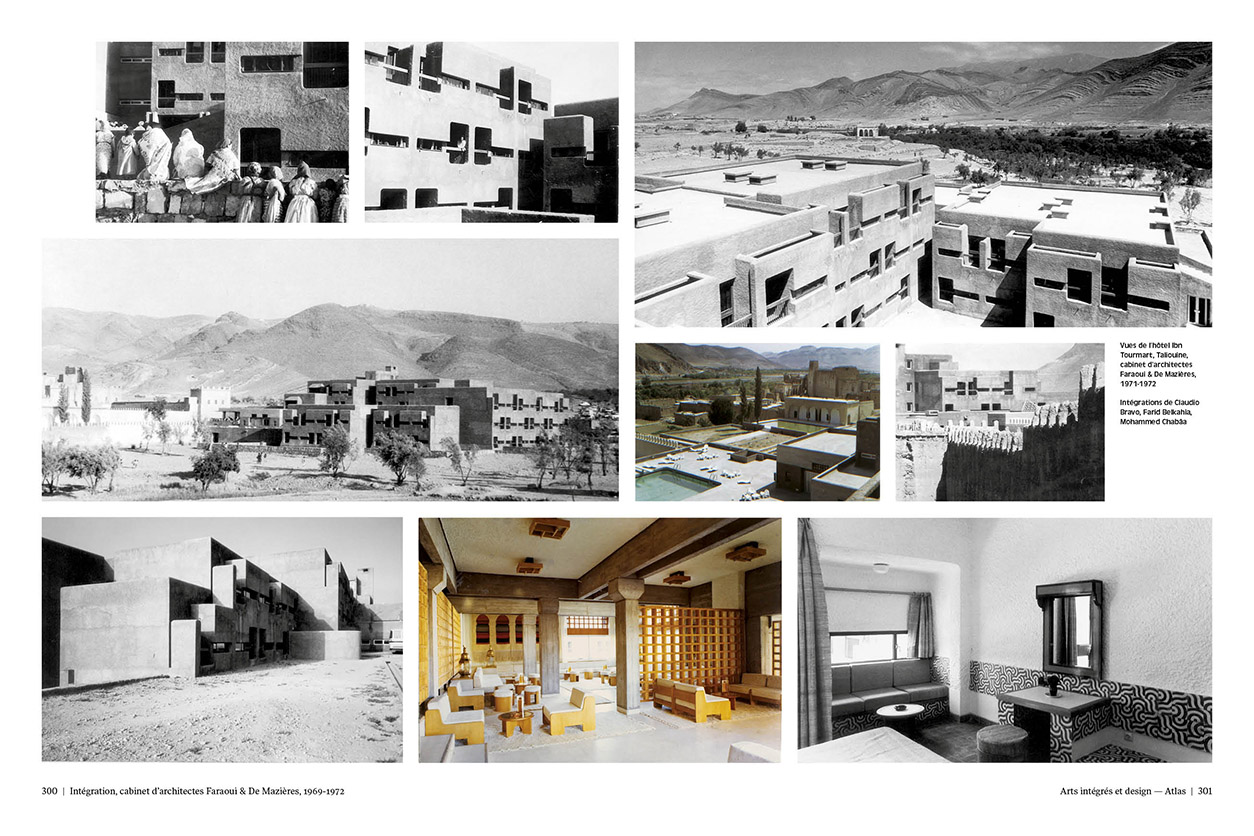
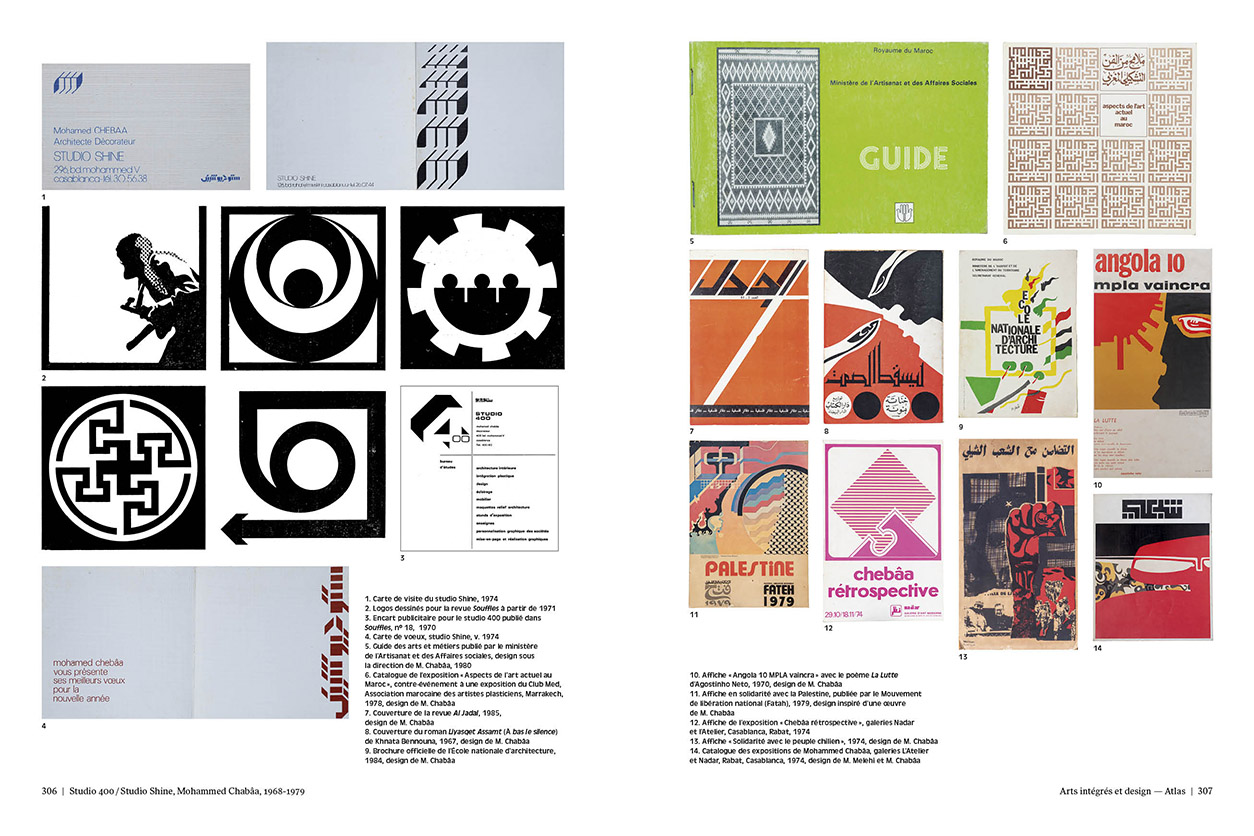
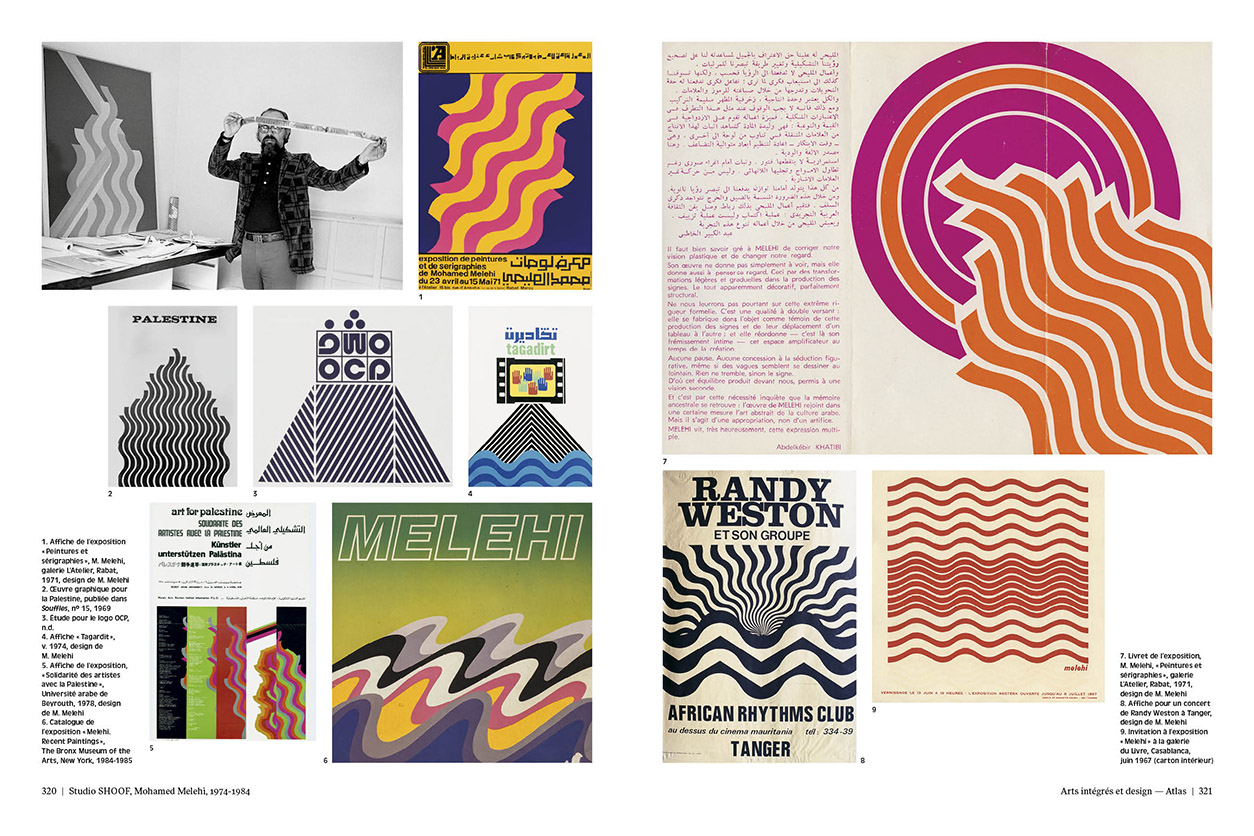
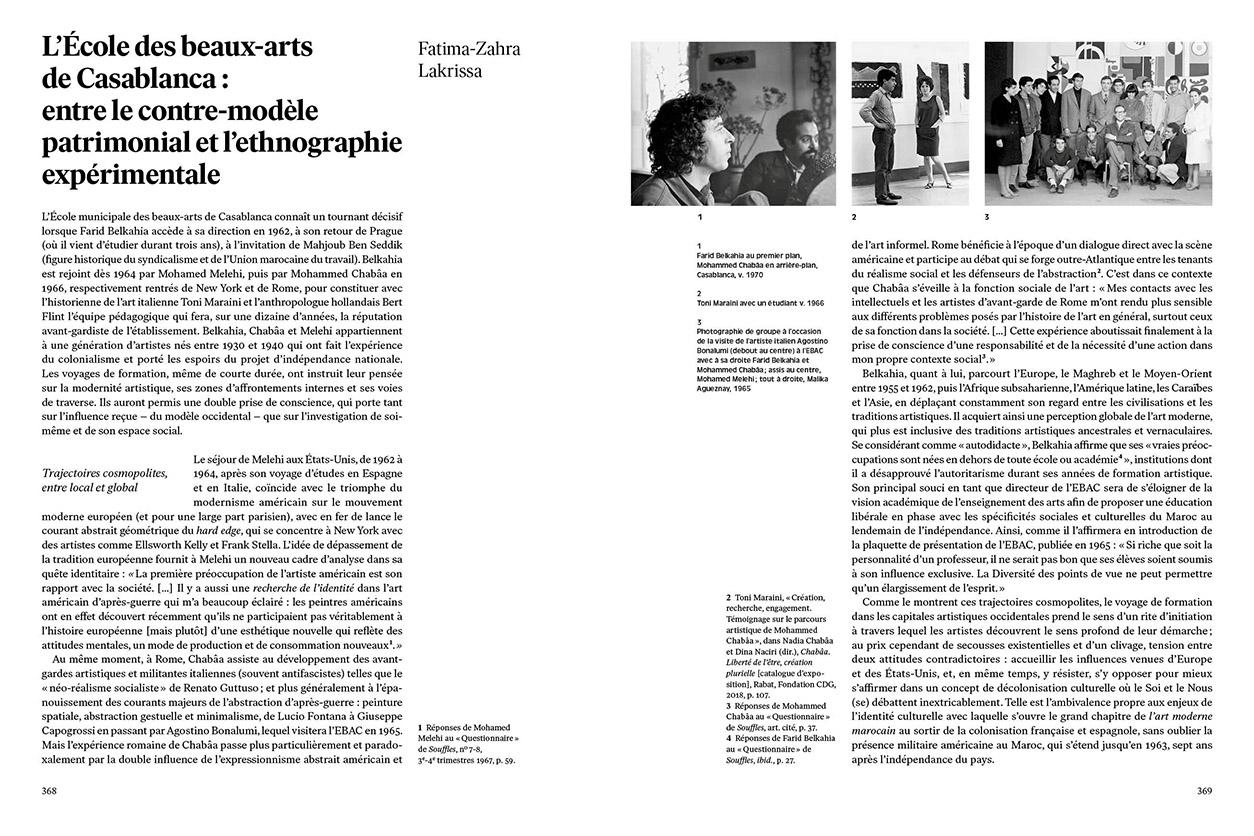
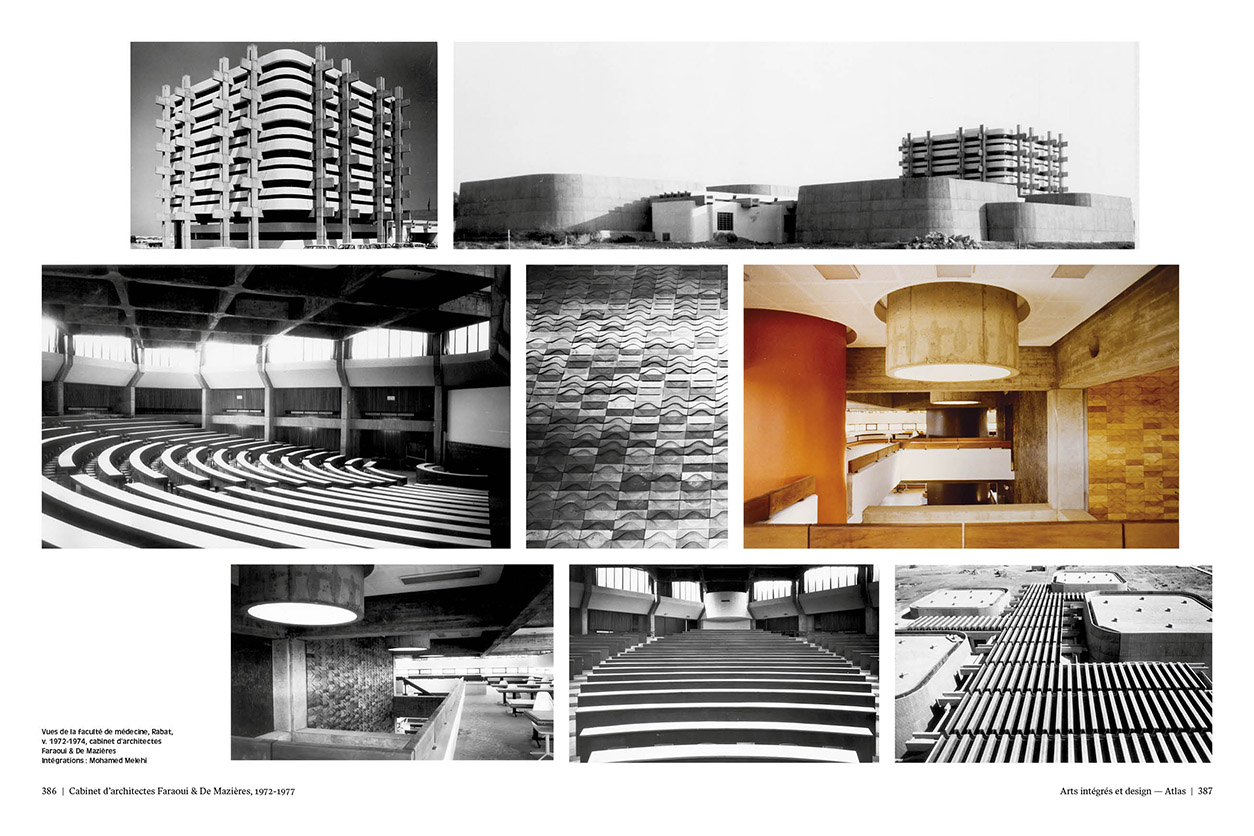
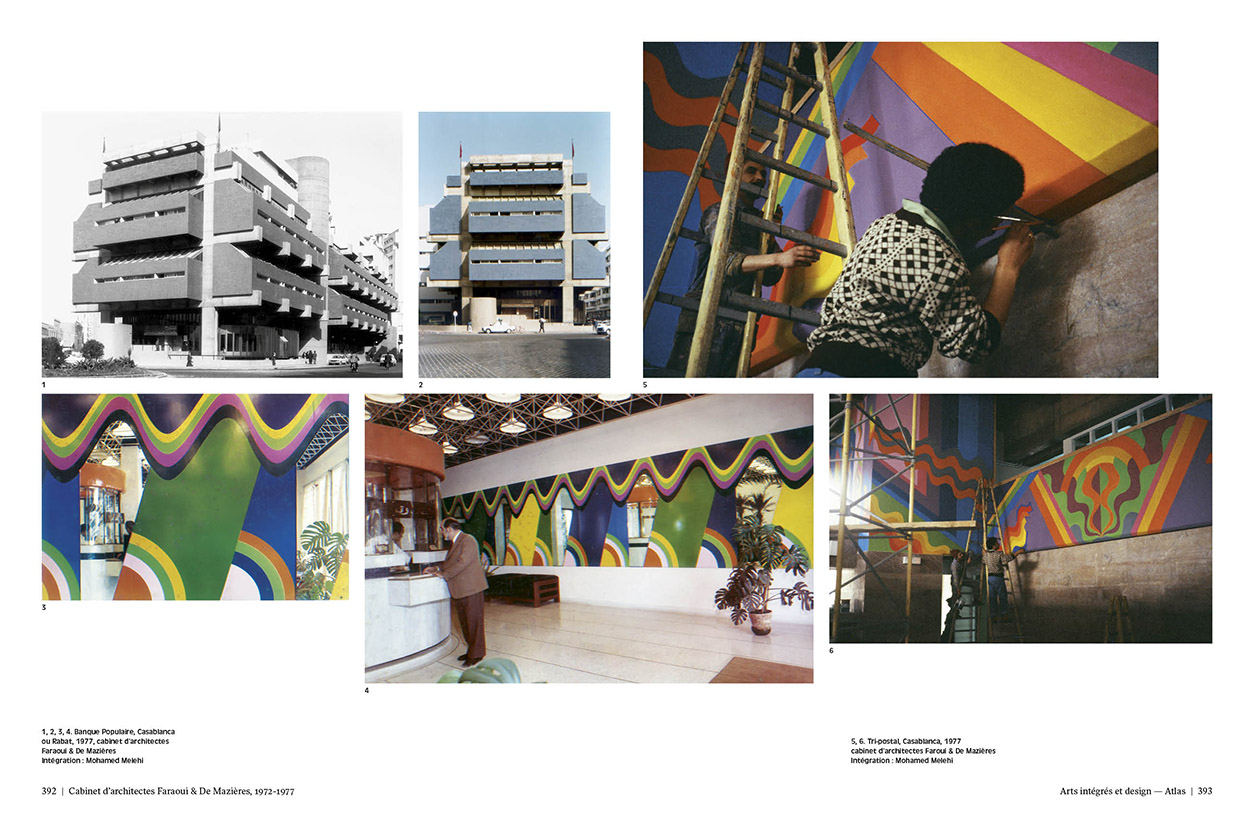
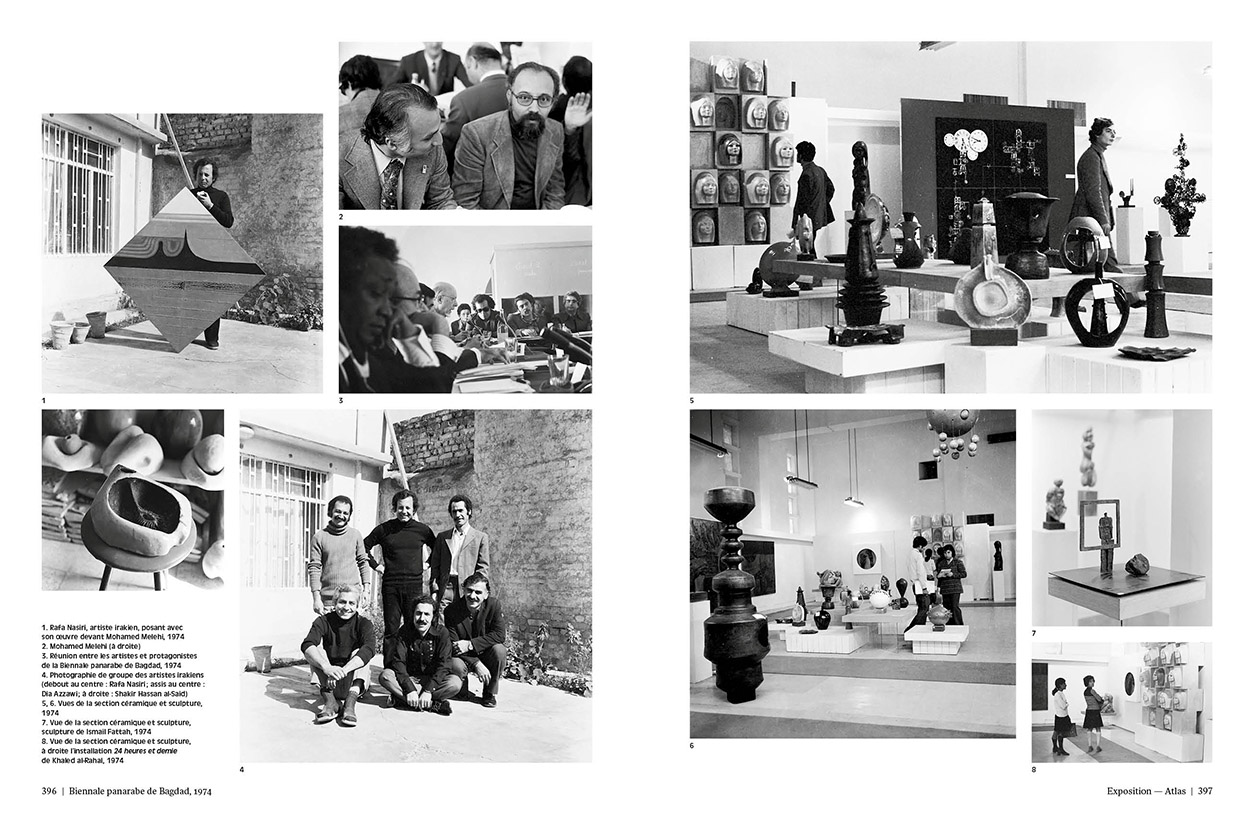
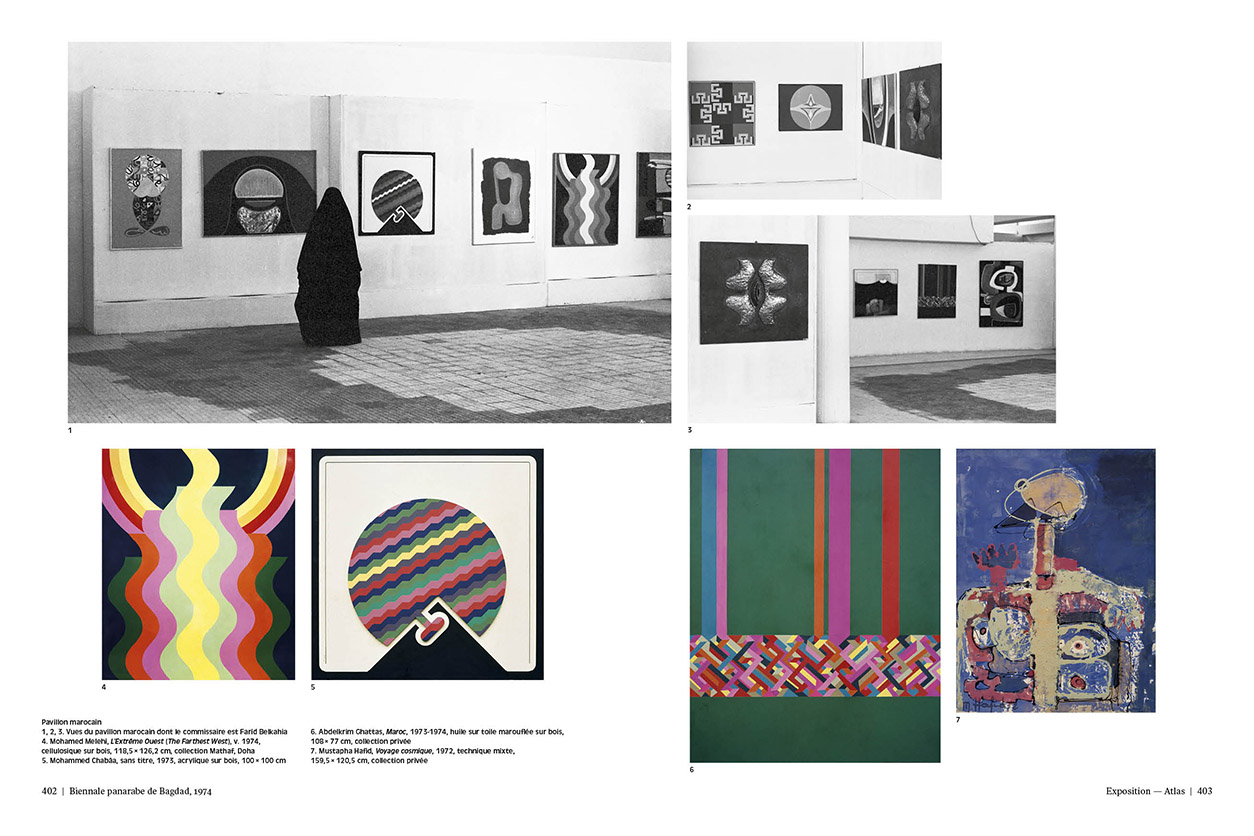
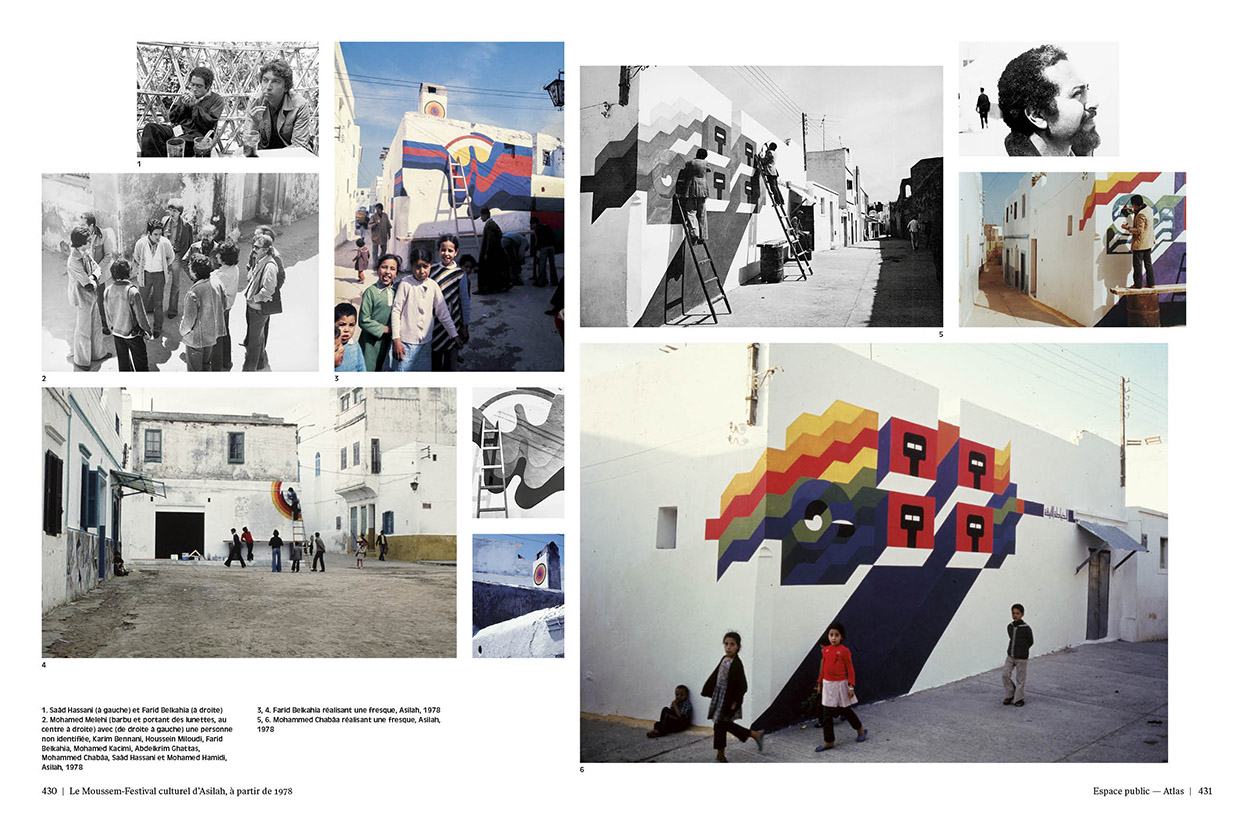
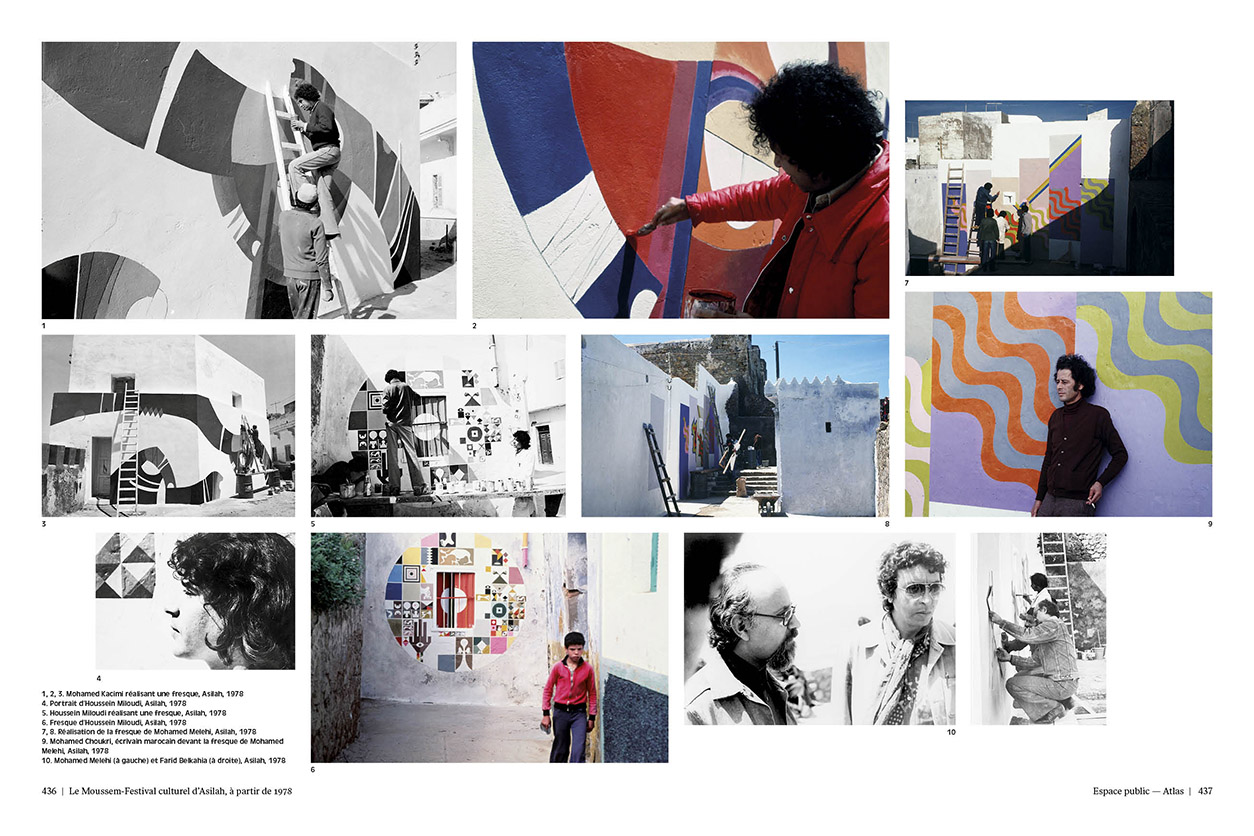
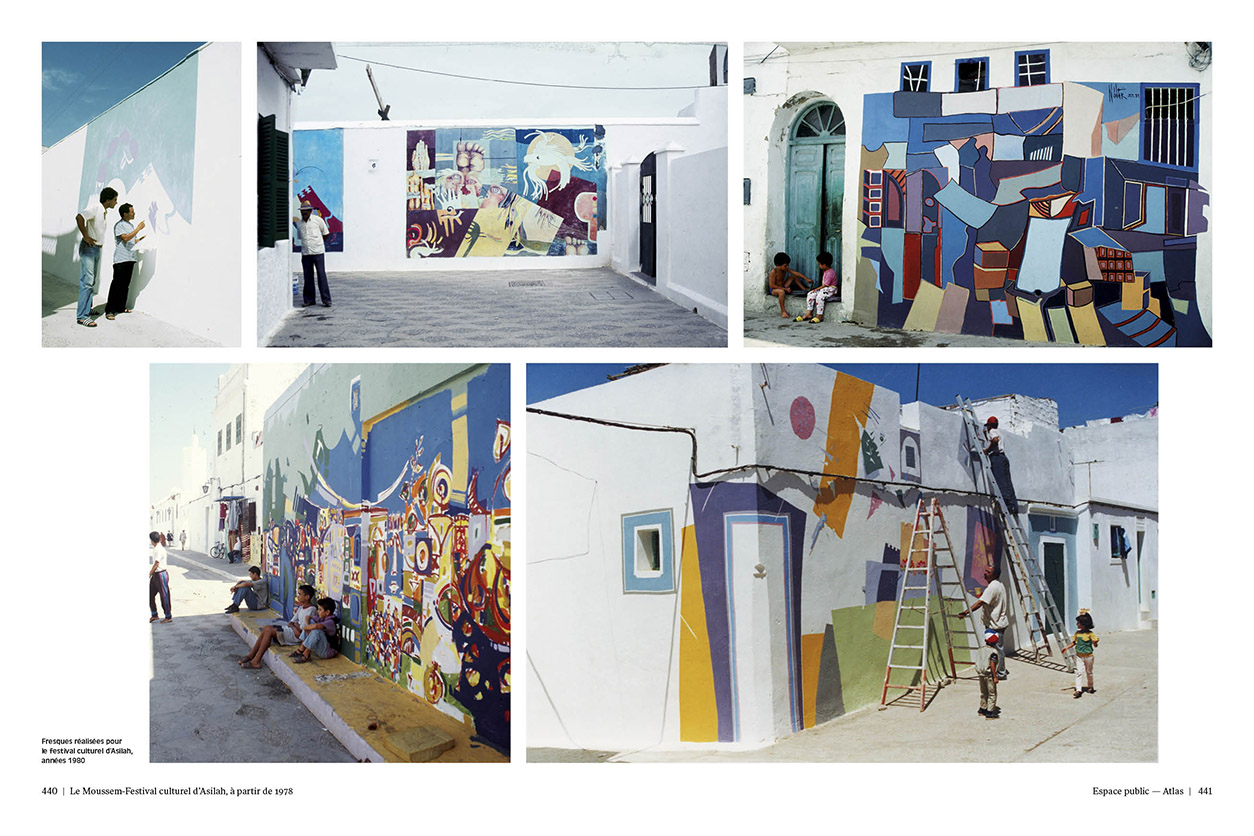
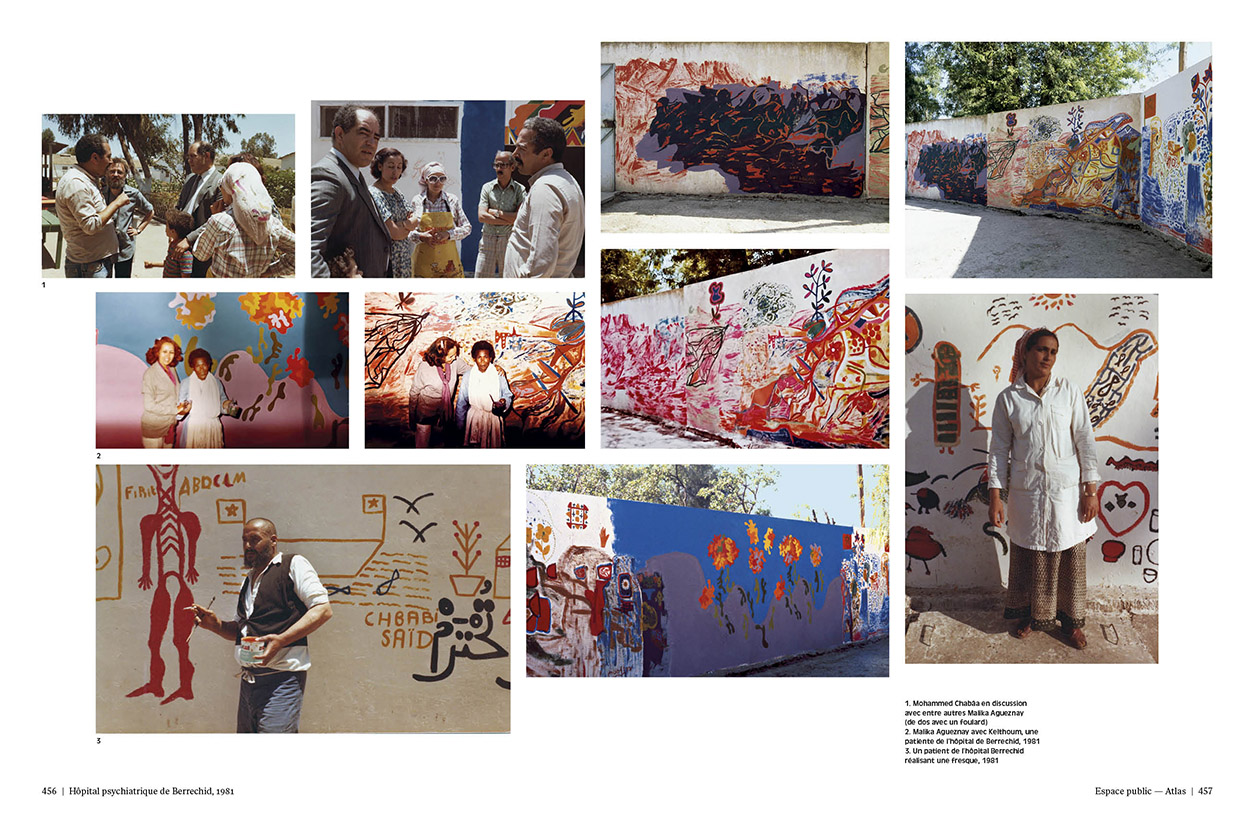
Beyond the core group (Farid Belkahia, Mohammed Chabâa, Bert Flint, Toni Maraini, Mohamed Melehi), a whole constellation of artist-activists drew on both the Moroccan and Afro-Amazigh legacies in the service of a new abstraction. Introducing art into everyday life, they used paintings, posters, magazines, interior design, murals and street exhibitions, while also cultivating political solidarity with other countries in Africa, South America and elsewhere.
This anthology compiles the founding texts of this cosmopolitan movement, along with testimonies from the actors and actresses of this period (Toni Maraini, Mohamed Melehi, Bert Flint, Pauline de Mazières…), based on a vast collection of previously unpublished archives. It brings together a large number of authors involved in writing Moroccan cultural history (Salma Lahlou, Léa Morin, Khalil M’Rabet, Katarzyna Pieprzak, Kenza Sefrioui…). Through essays, archives, and interviews, this volume documents and analyzes the activities and legacy of this collective of artists engaged in several complementary fields (painting, photography, mural art, applied arts, typography, graphic design, scenography), thus measuring their importance for a history of postcolonial arts.
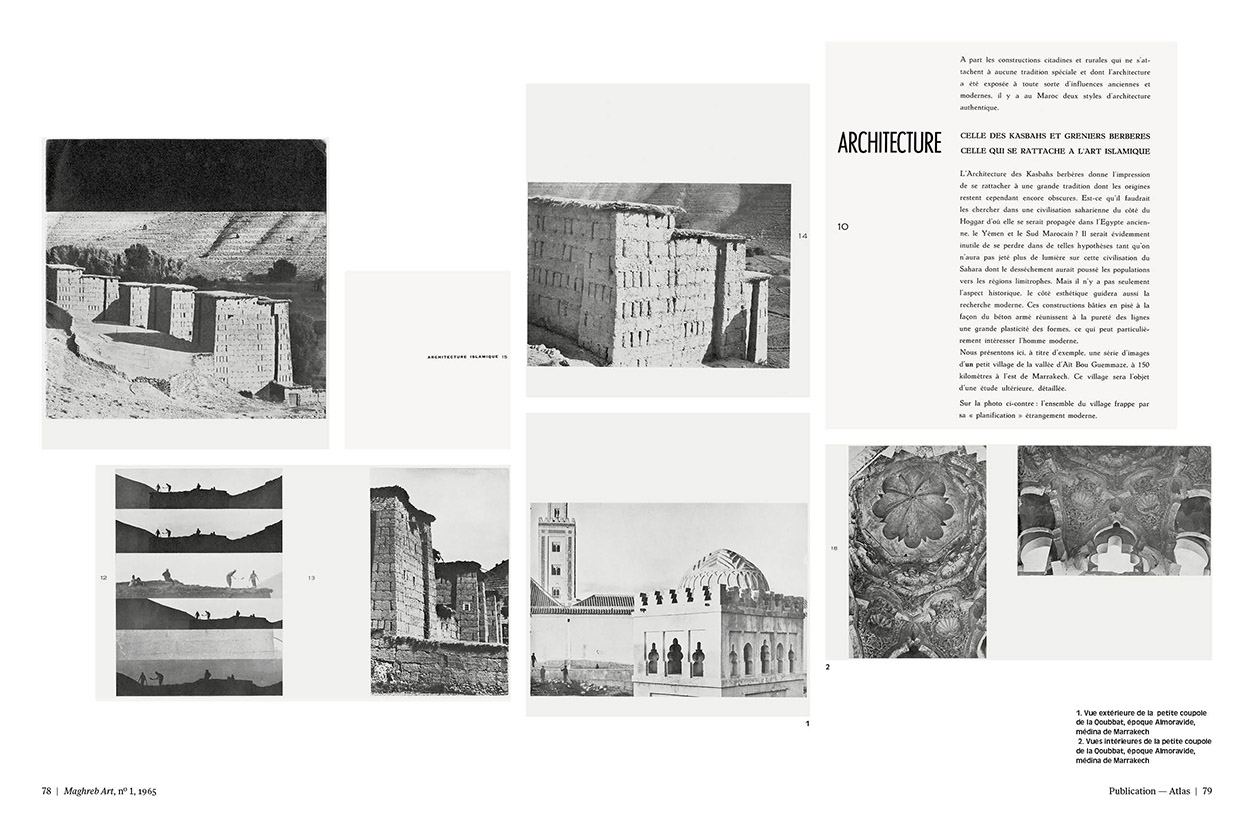
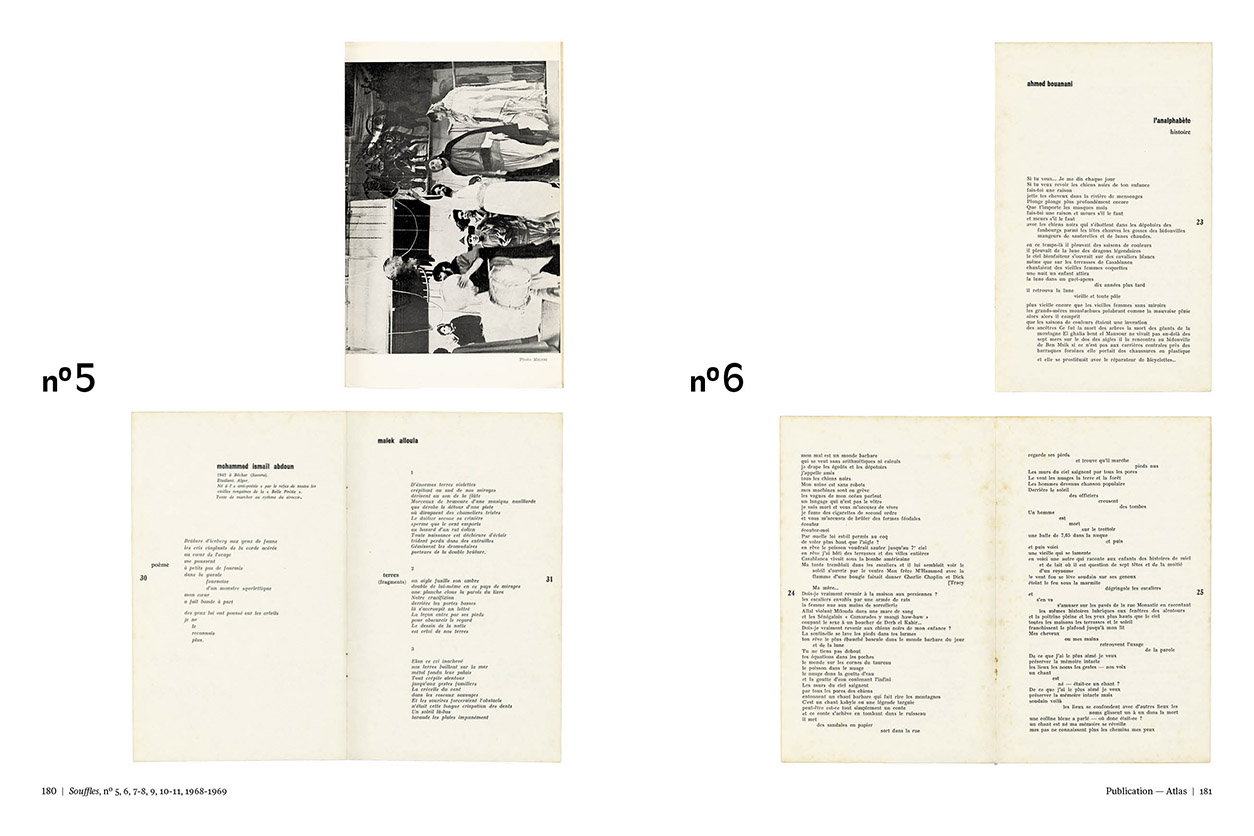
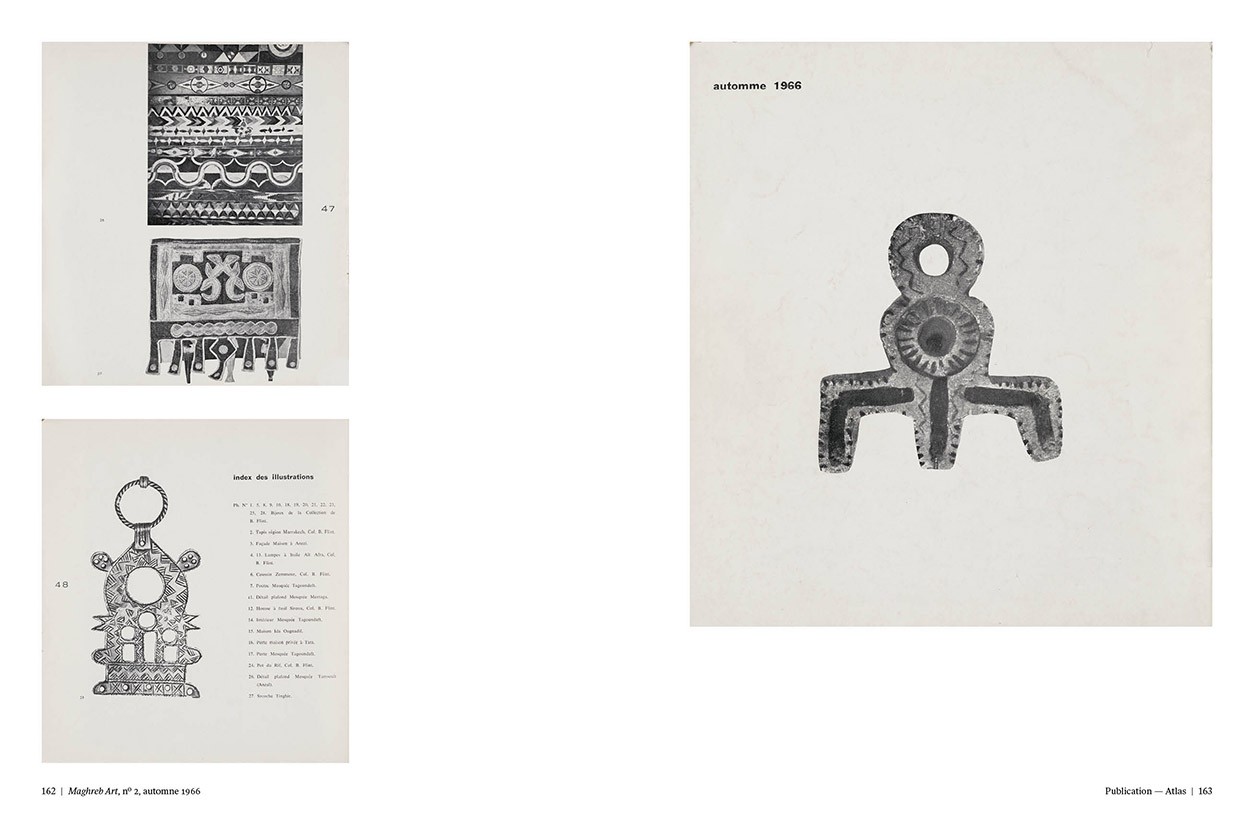
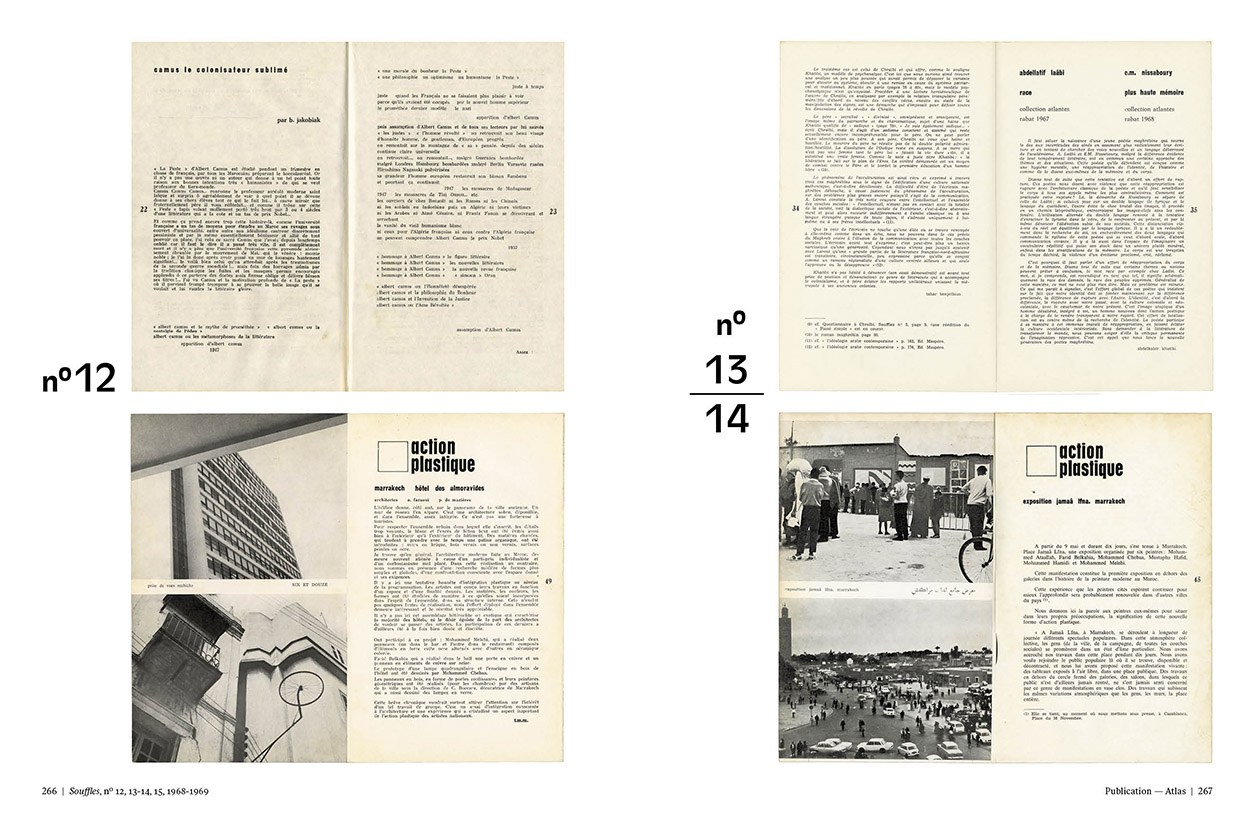
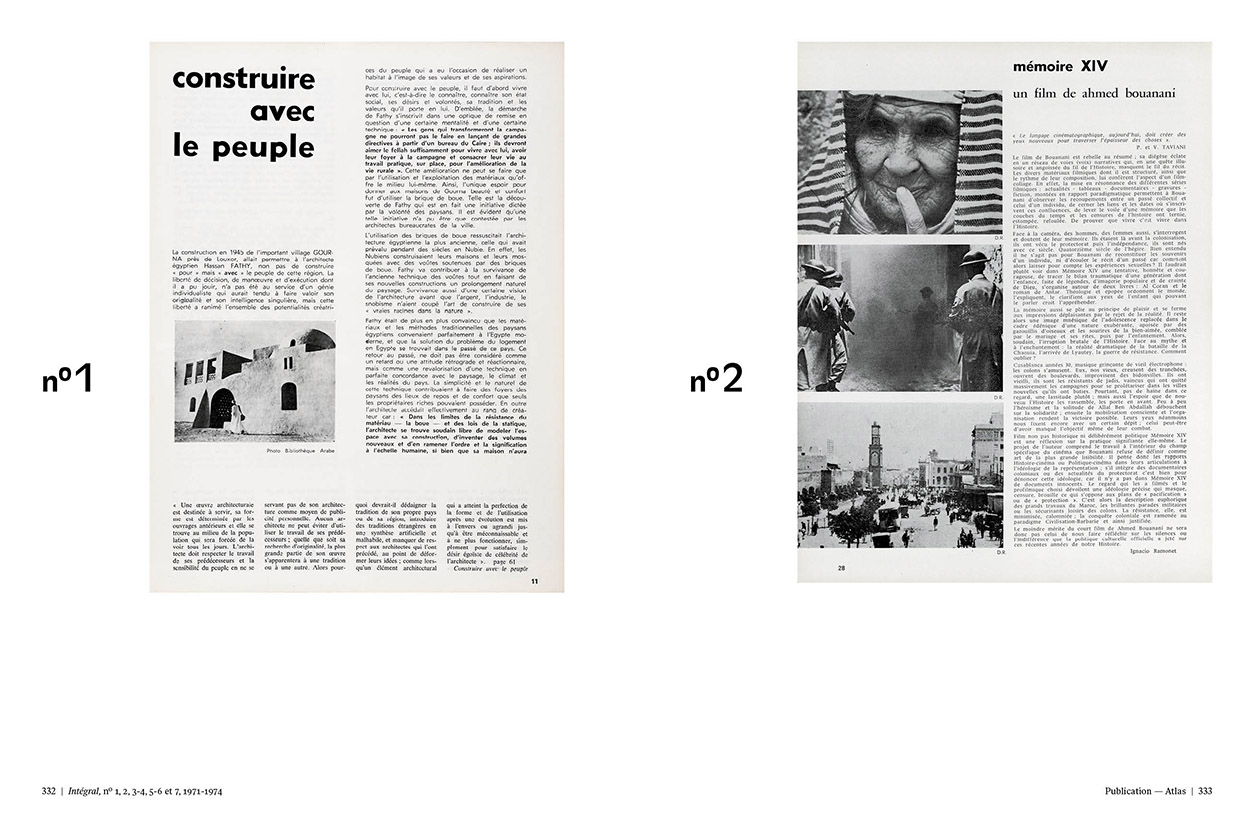
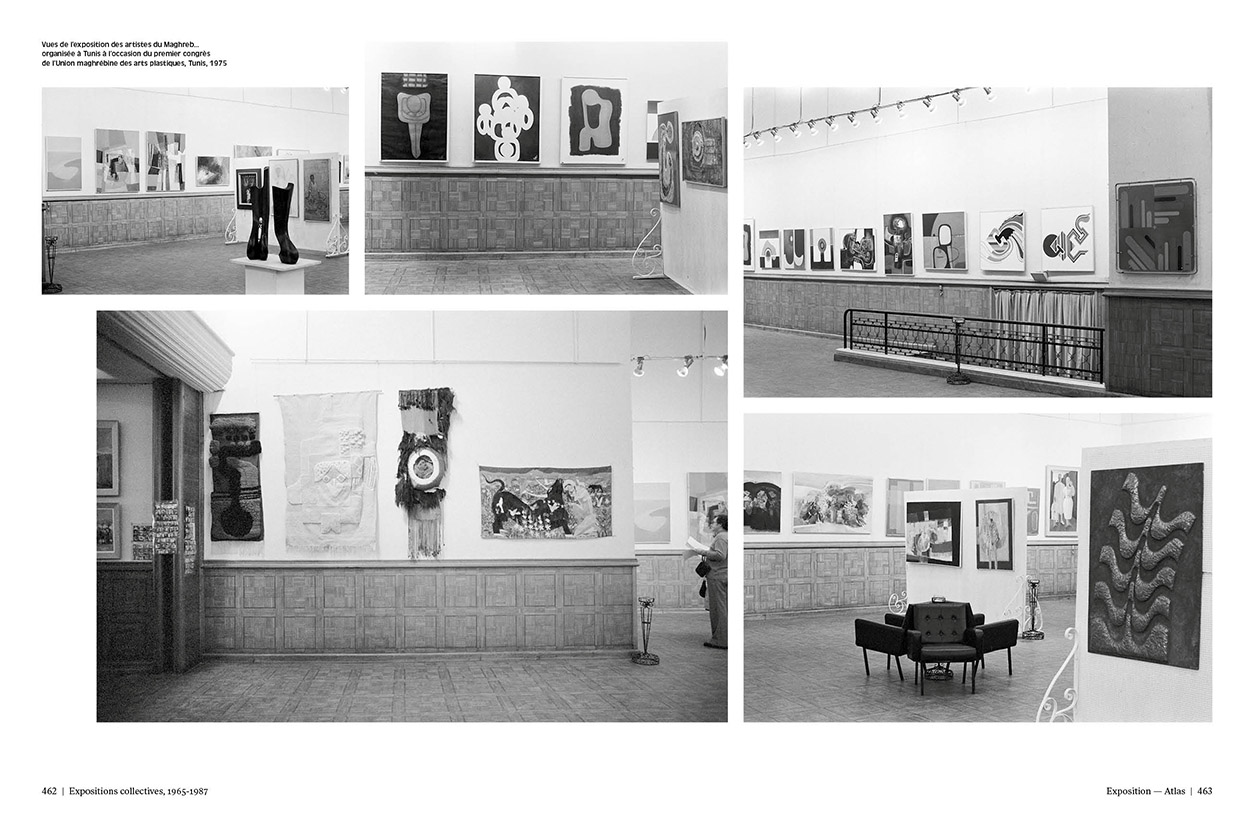
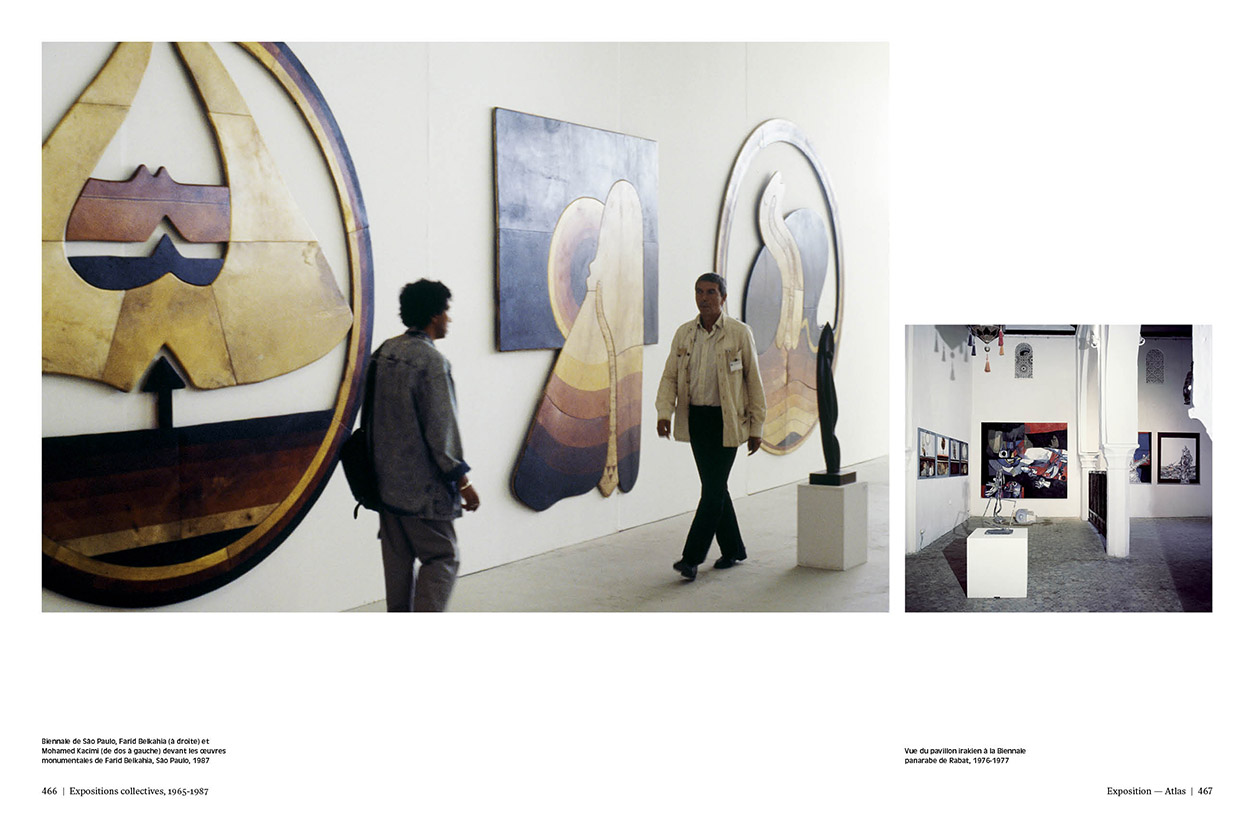
“C.A.S.A – Casablanca Art School Archive” consists of archives from the school’s courses and workshops, the journeys of its main participants, the history of exhibitions (Arab Biennials…), and the journals linked to this group of free thinkers (Souffles, Integral, etc.). Through documents, chronicles, and essays, it seeks to echo and reorganize the networks of Moroccan and pan-Arab artists, who moved between Casablanca and the High Atlas, or Baghdad and Rome, where the emancipatory vibration of the Casablanca School still resonates.